How Countries Replace Potatoes with Rice, Corn, and Plantains in Their Diets

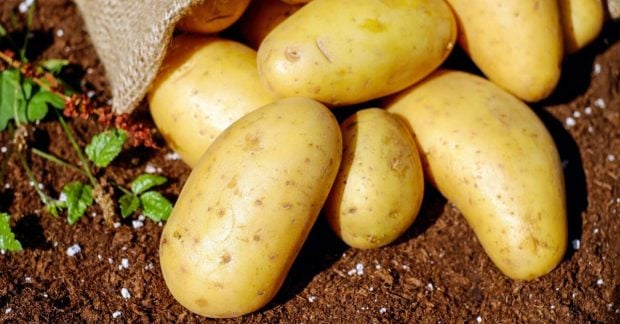
Alternatives to Potatoes Around the World
According to УНІАН — Туризм: Different regions rely on staple foods other than potatoes, influenced by climate, agriculture, and culinary heritage. While potatoes remain a key food source in many places, other staples like rice, corn, cassava, and plantains take precedence in various parts of the globe.
Staple Foods by Region
In Japan, rice is the primary staple, often served alongside fish, meat, vegetables, and seafood. It's also essential in dishes like sushi and onigiri. Potatoes appear mostly in curry and stew recipes rather than as a main ingredient. Southern China also favors rice, whereas northern China leans towards wheat-based foods such as noodles, steamed buns, and dumplings. Potatoes in China are typically cooked with vegetables, meats, and sauces.
Mexico’s traditional diet centers on corn, with tortillas and tamales frequently accompanying beans, meats, or vegetables. Though potatoes are utilized in Mexican cuisine, they are not a dominant element, giving way to grains and legumes. According to Liber Tatea,
“potatoes are present in Mexican cooking but don’t play a central role, ceding ground to grains and beans.”
In Ghana, staples include cassava, yams, and plantains. Cassava is transformed into customary dishes such as fufu, while yams are boiled, fried, or mashed. Plantains are commonly fried or boiled and paired with meat, fish, and spicy sauces, serving as a vital carbohydrate source. Uganda also relies heavily on plantains, preparing a dish called matoke by steaming or boiling and mashing them, then serving with meat, vegetable, or legume sauces. Other important staples in Uganda include corn, rice, cassava, and sweet potatoes.
These dietary patterns highlight how local resources and culinary customs shape food choices, reflecting the significant influence of climate and farming practices, as noted by the UN's FAO.
Shifts in food consumption are driven not only by tradition but also by global economic and environmental pressures. Climate change, for instance, impacts water availability and soil quality, affecting crop cultivation. Understanding how nations adjust to environmental changes is crucial for addressing food security and public health challenges worldwide.

Read also