Over a Quarter of Cactus Species Face Habitat Loss Due to Drought and Rising Night Temperatures by 2100

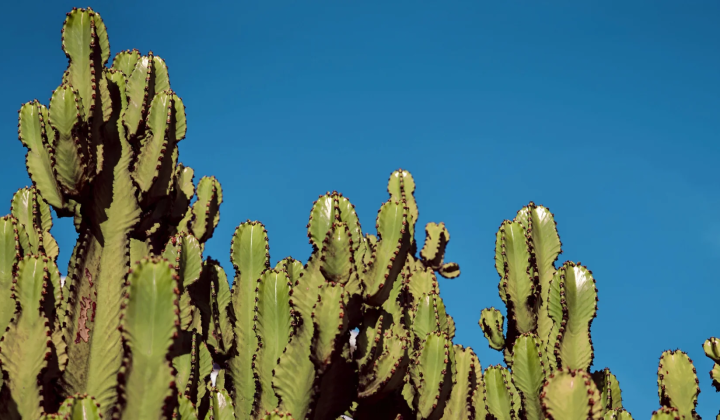
New Study Reveals Threats Facing Cacti
According to НВ — Техно: A recent study published in the journal Nature highlights the severe risks that drought and warmer nighttime temperatures pose to many cactus species. Ecologist Michiel Pillet from the University of South Florida and his research team analyzed nearly 1,000 cactus species, drawing on 650,000 wild plant observations from the iNaturalist platform. Their findings indicate that more than 25% of these species could lose at least 80% of their natural habitats by the year 2100.
Climate Change’s Impact on Cacti Survival
Cacti, known for their waxy outer layers, rely heavily on seasonal rainfall to thrive. During drought periods, iconic giants like the saguaro cactus in the Sonoran Desert bloom less frequently and produce fewer shoots. Michiel Pillet emphasized that when drought conditions are factored in, the situation is far worse than previously thought. Additionally, rising nighttime temperatures disrupt cactus respiration processes, further undermining their survival chances.
Desert ecosystems, fragile by nature, can take decades to recover from disturbances. Beyond climate change, cacti face other challenges such as:
- Habitat loss due to urban development
- Illegal harvesting
- Sea level rise
For instance, a tree-like cactus species in Florida has already disappeared locally because of rising sea levels. The study also suggests that some cactus populations might migrate to cooler areas, but this shift alone won’t completely resolve their threats.
To protect these vulnerable plants, scientists recommend preserving natural habitats and relocating at-risk species to botanical gardens. These measures could play a crucial role in conserving cacti amidst ongoing climate changes and other environmental pressures.
This research is significant because cacti are vital components of desert ecosystems. Given that climate change, human development, and other human-driven factors threaten not only the plants but also their habitats, these findings provide a foundation for developing new conservation strategies. Immediate action to safeguard cactus species is essential for maintaining biodiversity and ecosystem stability in the regions where they grow.

Read also