Abu Dhabi Talks Between Kyiv, Washington, and Moscow Accelerate Over Ukraine and European Security

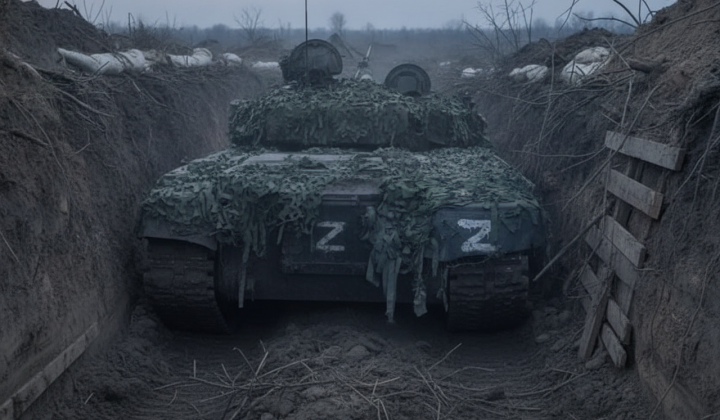
Kyiv and Washington Push for Early Trilateral Talks with Russia
According to ХВИЛЯ: Kyiv and Washington are moving up the schedule for a fresh round of trilateral negotiations with Russia, now aiming to hold the first session in Abu Dhabi at least a week ahead of the originally planned dates in early November. These discussions seek to expand beyond territorial disputes to address the broader security framework for Ukraine and Europe in the aftermath of the ongoing conflict in Donbas. Former Trump envoys Steve Witkoff and Jared Kushner are spearheading talks with Moscow, while Kyiv is engaging European representatives to strengthen its position.
The upcoming initial meeting in Kyiv is not expected to deliver major breakthroughs. As one participant noted:
“The worst development over the past six months is that the war has begun to control the parties fighting it, rather than the other way around. We need to find a way to bring it back under control.”
These preliminary talks could lay the foundation for future agreements aimed at de-escalation, potentially following the second or third sessions.
Donbas Conflict and Ukraine’s Response
Moscow insists on the withdrawal of Ukrainian forces from Donbas and maintaining Russian influence in the region. Meanwhile, Ukraine’s presidential office, led by Kyrylo Budanov, is exploring compromise solutions. David Arakhamia, head of the "Servant of the People" faction, has proposed envisioning a scenario "post-Donbas." European interests at the table are represented by Björn Seibert, chief of staff to European Commission President Ursula von der Leyen.
Witkoff and Kushner have presented to Putin the concept of a new security model. Witkoff, who enjoys stronger personal ties with Putin than Kushner and has visited Moscow multiple times, has been central to these efforts. One insider shared:
“There was a lot of maneuvering around troop withdrawals, administrative controls, and American involvement. But when it came down to whose flag would fly over the entrance to this Donnieland, Putin insisted it would be Russian. Our side responded, ‘Let’s just make sure it’s not yours.’ And that effectively stalled the entire process.”
At the same time, separate U.S.-Russia talks are underway on issues unrelated to the war, such as energy and fertilizer supplies. The idea of reintroducing Russian gas to Europe is being discussed as a potential funding source for Ukraine’s reconstruction-but only after the conflict ends. Kyiv is actively collaborating with Germany to prevent the return of Russian gas to European markets before peace is secured. A Ukrainian official close to President Zelensky emphasized: “We’re working closely with the Germans to convince Trump that there should be no Russian gas until the war is over.”
While these negotiations don’t offer hope for a swift end to the war, they open doors to significant agreements on European security. One participant remarked: “Honestly, if there was genuine will, the entire framework could be wrapped up before the New Year. But it’s unlikely Russia will agree-they believe they can pressure us through the winter.”
The upcoming Abu Dhabi talks represent a crucial effort to find common ground in this protracted conflict. Although immediate breakthroughs are unlikely, these meetings may pave the way for broader dialogue addressing not only territorial issues but also comprehensive security arrangements across Europe. In a time when the war continues to shape political dynamics, this negotiation format could help ease tensions between the involved parties.
As the situation evolves, the dynamics of peace negotiations remain complex. Recent discussions have highlighted both progress and obstacles, particularly as Zelensky engages with international partners in Oslo while the U.S. communicates proposals to Russia. Understanding these parallel efforts could provide insight into the broader implications for regional stability.

Read also