Severe Frost Forecast for Kyiv Region Poses Threat to Early Crops

Cold Snap Forecast for Kyiv and Surrounding Area
According to Главком: A significant drop in temperature is expected in Kyiv and the surrounding region after the weekend, with air frosts forecast for the nights of April 12 and 13. Temperatures are predicted to plunge to between 0 and -3°C, prompting the Ukrainian Hydrometeorological Center to issue a Level II (orange) danger warning. This cold spell follows an earlier intrusion of cold air on April 10 and 11. These conditions represent a serious threat to the region's agricultural sector.
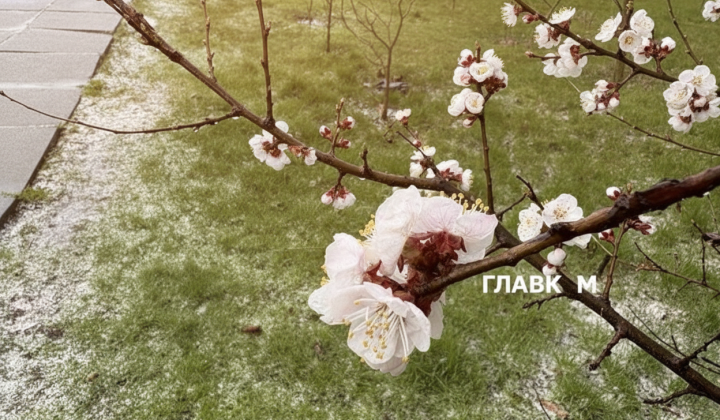
This weather shift is part of an April anomaly that has already brought wet snow and ice pellets to the area. Just prior, on April 8, Kyiv's temperature fell to +4°C amid mixed precipitation and icy pellets. Early spring frosts are a recurring challenge for farmers in Eastern Europe, often requiring urgent protective measures for vulnerable crops.
Agricultural Impact and Concerns
The forecasted freezing conditions could negatively impact agriculture, as they risk damaging early plantings and crops that have already begun to develop. Agronomists are advised to take steps to protect plants from potential harm. The situation requires careful monitoring, as the temperature change could trigger serious consequences for the region's agricultural sector.
The cold snap predicted for the Kyiv region may significantly affect the agrarian sector, given that frosts during this period are particularly dangerous for young plants. In the face of this abnormal weather, it is crucial for farmers to implement timely measures to safeguard their sown fields.
Given that agriculture is a vital component of Ukraine's economy, such weather changes could have far-reaching implications for the harvest and regional food security.
As the weather continues to fluctuate dramatically, the recent icy downpour in Kyiv serves as a stark reminder of the unpredictable spring climate. This sudden change not only affects daily life but also poses significant risks to agriculture. For a deeper understanding of how these freezing temperatures are impacting the region, you can read more about the recent weather shifts and their implications for local farmers.

Read also