Devaluation of the hryvnia as an advantage for one of the key sectors of Ukraine's economy

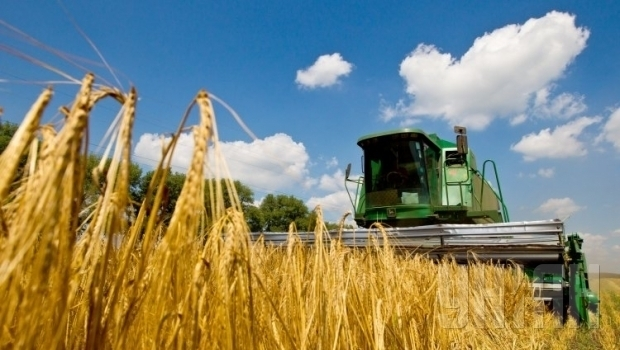
The weakening of the hryvnia has given Ukrainian exporters a price advantage in foreign markets.
'The sharp devaluation of the hryvnia has provided a price advantage compared to other global players', - stated Mikhail Melnik, a partner at the Kyiv office of Deloitte, speaking about Ukraine's agricultural sector.
Wheat exports over the last six months of 2015 have increased by 31 percent compared to the same period in 2014.
Ivan Dzvinka, a researcher at Eavex Capital, noted that agricultural exports were growing everywhere.
'The Ukrainian agricultural sector has indeed strengthened its competitive position in export markets, - the expert reported. - It is noteworthy that the volume of exports from Ukraine has expanded in 2015 for all grains (corn, wheat, barley), legumes, meat, dairy products, sugar and confectionery, and eggs'.
- Is your air conditioner broken? There is a source where you can order repair and cleaning of the air conditioner. Pleasant prices and high quality are what this service center can boast of.
Dzvinka added: 'This is confirmed by the growth in Ukraine's export volumes for most agricultural products throughout 2015, despite the fall in prices for agricultural goods last year'.
Despite the relative boom in agricultural exports, it is extremely unlikely that profits will go to anyone other than the largest firms in the Ukrainian market.
The lack of access to foreign capital, along with increased vulnerability of small producers, means that only the largest companies are likely to benefit from the increase in exports.
'One of the problems in Ukraine's agriculture is the limited access to resources due to high credit rates, - said Melnik, a partner at Deloitte. - The cost of credit forces agricultural producers to economize, which benefits companies with access to international capital'.
Experts believe it is still difficult to predict production rates year by year. Ukrainian government policy has set annual quotas for wheat, barley, and corn exports. This may mean that differences in export volumes will affect those at the top of the agricultural food chain in Ukraine.
Export volumes depend solely on the volumes of harvested crops in Ukraine and do not depend on the devaluation of the hryvnia, experts assure. While larger agricultural operators will be less concerned about market fluctuations, small farmers are likely to feel the most affected by Ukraine's currency woes.
The smaller the farmer or trader, the greater the negative impact of currency depreciation, declining yields, and so on, analysts added.
Ukraine is one of the largest agricultural exporters in the world, and the third largest exporter of grain globally.
Notably, Ukraine's Minister of Agriculture Oleksiy Pavlenko, who took office in December 2014, has repeatedly promised to fight corruption and increase productivity in an attempt to reform the country's agricultural sector.

Read also