Russia's War Effort Has Left It Severely Weakened, Says Former U.S. Envoy Kurt Volker

The Ukraine War's Impact on Russia
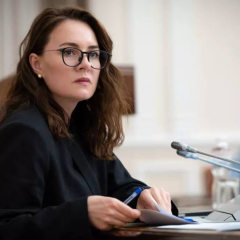
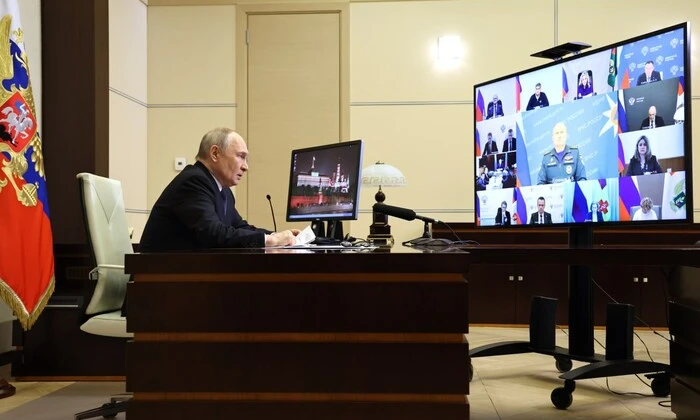
According to Главком: Former U.S. Special Representative for Ukraine Kurt Volker has assessed the war's consequences for Russia and its potential future actions. He stated that the conflict has severely depleted the nation. Should the war end, Russia will face the immense task of rebuilding across political, economic, military, and financial spheres. According to Volker, the country will be in no position to launch a new war elsewhere. This analysis comes as Western officials closely monitor Russia's capacity for sustained aggression.
'Putin faces a difficult situation: continuing the war is problematic, but ending it is also hard due to the return of troops, the costs, and an economy now restructured for war.' Kurt Volker
International Community's Response
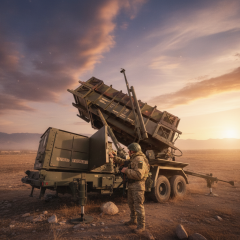
Meanwhile, the Russian State Duma has approved in a first reading a bill that would allow the country's president to deploy troops to protect citizens from legal prosecution abroad. This move has raised international concern, as it may signal Moscow's preparation for further aggressive actions. The Baltic states, in particular, view such legislative changes with deep apprehension.
In the context of regional security, Ukraine's Ambassador to Estonia, Volodymyr Boiechko, cited Estonia's mobilization readiness. He noted that in the event of aggression from Moscow, Tallinn could immediately mobilize up to 50,000 people for defense.
'I am not a military expert to say whether that is a lot or a little, or how many personnel an enemy would need to overcome such resistance.' Volodymyr Boiechko
Furthermore, Estonia has banned entry to over 1,300 Russian combatants. The lists of individuals for the entry ban are compiled and provided to Estonia by Ukraine. This decision is part of broader efforts to counter potential threats from Russia and support stability in the region.
These developments highlight the ongoing tension between Russia and Western nations, as well as the preparedness of Baltic states for potential threats from Moscow. Volker's conclusions about Russia's exhaustion suggest the country may require new strategies for stability and recovery, which could influence its foreign policy in the near term. The enhanced defensive measures by Estonia and neighboring countries underscore a growing readiness to respond to regional uncertainty.
In light of the escalating tensions, Estonia's proactive measures against potential threats from Russia are particularly noteworthy. The country's decision to mobilize a significant number of troops and implement entry bans on Russian combatants reflects a growing concern for national security. As the situation develops, such steps may play a crucial role in shaping the regional dynamics and responding to any aggressive maneuvers from Moscow.

Read also