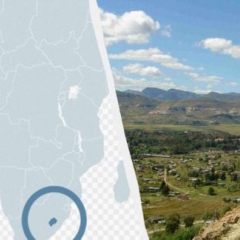
Tourist Access Banned at Kominiarski Peak Since 1988 to Safeguard the Golden Eagle

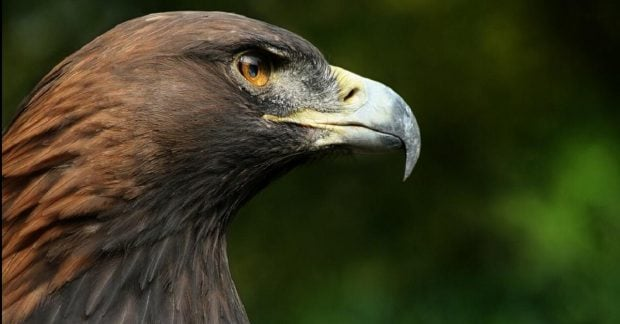
Protecting the Golden Eagle in the Tatra Mountains
According to УНІАН — Туризм: Kominiarski Peak, standing 1,829 meters high in the Tatra Mountains, has been off-limits to tourists since 1988. This restriction was implemented to protect the rare golden eagle, a majestic bird of prey native to these mountains. Since 2000, even spelunkers and scientists have been prohibited from visiting the summit, as human presence disturbs the birds and forces them to abandon their nesting sites.
The golden eagle is among Europe’s largest mountain raptors, boasting a wingspan that can exceed 2 meters. It inhabits mountainous regions such as the Carpathians and Tatras, requiring tranquil nesting areas and expansive hunting grounds to thrive. Their nests are typically built on cliff faces and rocky ledges, locations naturally hard for humans to reach.
Updates on Other Wildlife Populations
The first trail to Kominiarski Peak was established back in 1892. However, to preserve the habitat of the golden eagle, public access has since been restricted. Meanwhile, conservation efforts elsewhere show encouraging signs. For instance, the scimitar-horned oryx, once considered extinct in the wild, now has a thriving population exceeding 600 individuals, demonstrating successful species recovery programs.
- Researchers have identified 24 wolves in the Carpathians: 10 females and 14 males.
- Genetic studies reveal shifts in wolf pack structures and a decline in their population density.
These findings highlight the critical role of habitat preservation in maintaining ecological balance. The closure of Kominiarski Peak exemplifies how protecting natural environments is vital for the survival of rare species like the golden eagle. This measure forms part of a wider environmental strategy that includes not only access restrictions but also active restoration efforts for other species such as the scimitar-horned oryx. Continuous monitoring of predator populations allows conservationists to evaluate the success of these initiatives and adapt management practices to the ecosystem's evolving needs.
For international audiences, the Tatra Mountains represent one of Central Europe’s key biodiversity hotspots, making these conservation actions crucial not only locally but for global natural heritage.

Read also