Lessons from Massachusetts: The Evolution of Artificial Reefs from Tire Structures to Modern Materials

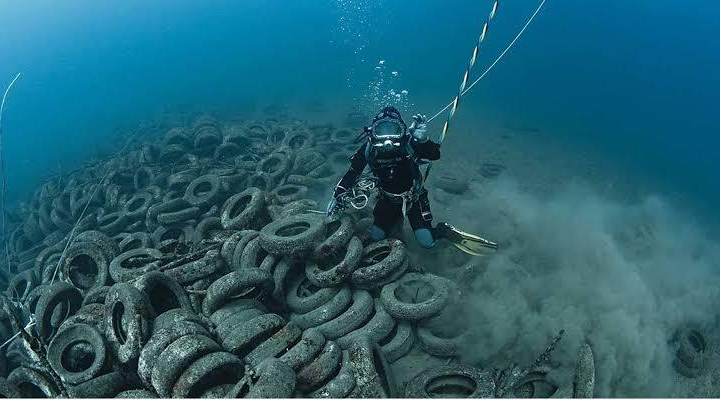
The Yarmouth Artificial Reef
According to Radiotrek — Світ: In 1978, an artificial reef was established off the coast of Massachusetts using concrete-encased automobile tires to create shelter for marine life. Known as the Yarmouth reef, it lies about 10 meters below the surface in Cape Cod Bay. The reef originally covered approximately 51 hectares and was constructed with around 600 concrete modules combined with 1,500 tire-based structures. In 1994, an additional thousand tire structures were added, but later efforts shifted toward using concrete and granite blocks for reef construction.
Environmental Impact and Challenges
The Yarmouth reef has become home to various marine species, including black sea bass, lobsters, and sea stars. However, the broader history of artificial reefs reveals mixed results. For example, during the 1970s and 1980s, more than two million tires were dumped off Florida's coast in a similar attempt to build a reef. This project ultimately failed because the tires could not withstand storms and hurricanes, scattering across the ocean floor, damaging natural coral reefs, and polluting the marine environment.
In response, starting in 2007, the U.S. military, Coast Guard, and volunteers initiated cleanup efforts to remove tires from Florida's waters, though a significant amount of debris remains. These experiences demonstrate that artificial reefs require careful design and secure anchoring to be successful. Consequently, recent reef-building projects favor durable materials such as concrete, granite, and specially engineered structures instead of tires.
This example highlights the critical need for thorough planning and environmental responsibility when creating artificial reefs.
Choosing appropriate materials and construction methods profoundly influences the success of artificial reef initiatives, providing safe habitats for marine life while preserving natural ecosystems. By learning from past mistakes-especially the unsuccessful tire reef experiments-future projects can better support marine biodiversity and ecosystem health.

Read also