Ukraine's Military Corps Reform Advances, with New Data on Russian Casualties

Ukraine's Armed Forces Undergo Structural Overhaul
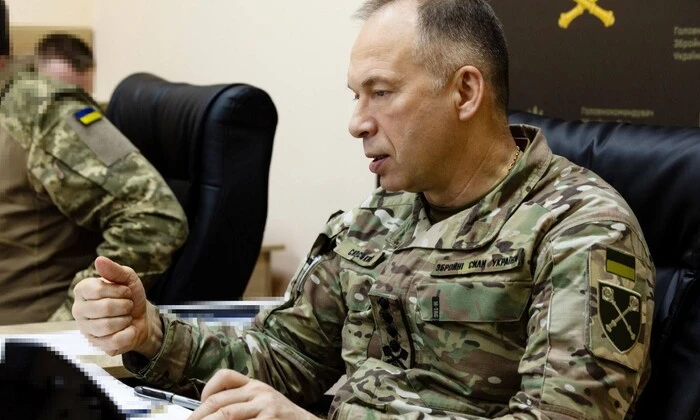
According to Главком: Ukraine is continuing a major reorganization of its military command structure, known as the corps reform, despite intense fighting along the front lines. Commander-in-Chief Oleksandr Syrskyi reported significant progress, including the redeployment of over 36,000 service members. He stated that the newly formed corps have now achieved their designated operational capabilities, allowing for more effective planning and execution of combat missions. This restructuring is a key part of Ukraine's long-term effort to build a modern, NATO-interoperable force.
Key Elements of the Restructuring
The reform involves relocating brigades directly under their respective corps commands. It also focuses on expanding corps-level staffing and scaling up specialized units, particularly drone forces. In some corps, unmanned aerial vehicle (UAV) battalions are being reformed into full regiments, highlighting the growing emphasis on technological warfare. The creation of dedicated artillery brigades within the corps structure has also been completed, further enhancing combat effectiveness.
Separately, Syrskyi provided updated figures on Russian losses, noting that in January alone, Russian forces suffered 31,700 casualties. This figure exceeds their recruitment and reinforcement capacity for the same period by 9,000 personnel. The overall size of the Russian grouping, including its operational reserve, has remained steady at 711,000–712,000 troops over the last six months. The Commander-in-Chief emphasized that Russia's casualty rate is currently unsustainable, outpacing its ability to replenish its forces.
In summary, the corps reform is positively impacting command and control while boosting Ukraine's battlefield effectiveness, even as it highlights the severe attrition challenges facing the Russian military.
This overhaul is a critical component of the Ukrainian Armed Forces' strategic adaptation to modern warfare, particularly the increased use of advanced technologies. The focus on expanding drone and artillery units signals a shift in tactical priorities, which could significantly improve the resilience and striking power of Ukrainian troops. Monitoring adversary losses also provides valuable insight into the broader frontline dynamics, underscoring the difficulties the Russian army is facing in sustaining its war effort.

Read also