Kremlin Rejects Zelenskyy's Easter Truce Proposal, Urges Kyiv to Choose Peace

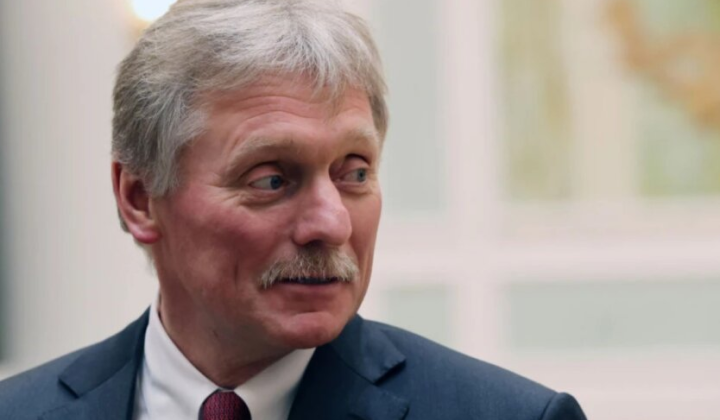
Kremlin Responds to Zelenskyy's Statement
According to ХВИЛЯ: In response to Ukrainian President Volodymyr Zelenskyy's suggestion of a potential Easter ceasefire, the Kremlin has dismissed the idea. Dmitry Peskov, the Russian president's press secretary, stated that Zelenskyy's remarks lacked specific, clearly formulated initiatives. Peskov emphasized that Russia insists on a comprehensive peace settlement rather than temporary pauses in the conflict.
Peskov further asserted that Kyiv is 'desperately in need of any respite' due to the difficult situation on the front lines. He added that, according to monitoring data, Russian forces continue to advance along the entire line of contact.
'Zelenskyy must take responsibility and make the appropriate decisions so that we achieve peace, not a truce,' Peskov declared.
The Kremlin's reply underscores the ongoing tension between Ukraine and Russia and the lack of progress in peace talks. This exchange highlights the fundamental disagreement between the two sides on the path forward, with Russia demanding a full political settlement on its terms. In the context of active combat and reported Russian military gains, calls for a truce may be perceived as an attempt to buy time for regrouping forces. The frontline situation remains complex, and such comments indicate that both sides currently appear unwilling to make the compromises necessary for a lasting peace.
Key Points:
- Peskov stressed the absence of concrete initiatives from Zelenskyy.
- Kyiv is said to need a respite from the challenging frontline situation.
- Russian troops are reported to be continuing their advance.
- The Kremlin insists on a full-fledged peace settlement.
The ongoing conflict continues to reveal significant divides in international perspectives, particularly as Zelenskyy addresses the differences between U.S. and Ukraine views on Putin's war objectives. As the Kremlin maintains its stance against temporary ceasefires, understanding these varying positions is crucial for assessing the broader implications for peace negotiations and military strategies in the region.

Read also