Residents of Kyiv's 15-Story Tower Endure Heating and Water Crisis Since January 9

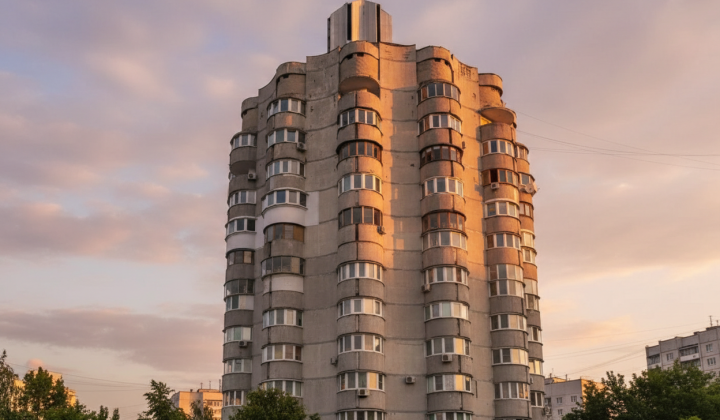
Utility Crisis at Obolonska Square
According to Главком: Residents of a 15-story apartment building at 2 Obolonska Square in Kyiv have been without heating since January 9, 2023, and lost their cold water supply on January 13. The situation is compounded by failures in electricity, elevators, and the sewage system, causing significant distress and anger among the occupants. This crisis highlights the ongoing challenges of maintaining aging infrastructure in Ukrainian cities, especially during winter. The building, constructed in 1981, features a unique cylindrical design with a frame-panel system and a monolithic rigid core.
State of Affairs as of January 20
As of January 20, residents have been urgently appealing to city authorities to resolve what they describe as one of Kyiv's most severe housing crises. Their pleas have so far gone unanswered, raising serious concerns. At the time of reporting, the building's elevators remain out of service, and the sewage system is experiencing major malfunctions.
The building's notable architectural features include:
- 15 residential floors, plus two lower and one upper technical levels;
- A cylindrical shape;
- A central staircase and display windows in place of standard ones;
- Six two-room apartments located on each floor;
- Construction using the slipform method, which grants it particular architectural value.
The issues extend beyond the loss of basic utilities, sparking wider worries about the general state of infrastructure in the area. Residents are hoping for a swift response from municipal authorities and relevant services to address these pressing problems.
The breakdown of essential services at Obolonska Square underscores the infrastructural challenges facing older residential complexes in Kyiv, many of which are in desperate need of urgent modernization.
The conditions faced by the residents pose serious potential risks to their health and safety, particularly amid winter temperatures. This situation may necessitate more proactive intervention from local government to improve living conditions in the capital.

Read also