Cuba Opens Its Economy to Foreign Investors

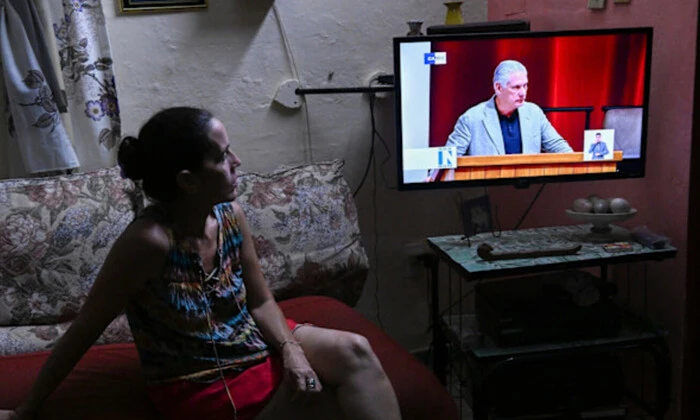
Cuba's Economic Overhaul
According to Главком: In a major shift, Cuba is launching a sweeping economic liberalization, opening new doors for foreign investors. The Cuban parliament unanimously approved a package of economic changes aimed at expanding the role of the private sector and creating favorable conditions for investment. President Miguel Díaz-Canel emphasized that the country is looking to the models of China and Vietnam to guide these reforms. This move comes as Cuba faces its worst economic crisis in decades, marked by severe shortages and a shrinking workforce.
Key Reform Priorities
The core areas of reform include:
- Expanding private property rights;
- Establishing preferential terms for foreign capital;
- Simplifying the import of modern technologies;
- Engaging the Cuban diaspora.
Discussing plans to attract overseas investment, Díaz-Canel stated:
“For Cubans living abroad who want to invest, donate, import technology, open a market, or build a project in their homeland, we will offer a clear, stable, and respectful system.” - Miguel Díaz-Canel
Cuba's economic crisis has intensified due to resource shortages, population outflows, and declining economic activity. Despite the unanimous parliamentary support for the reform package, not all changes have been welcomed within the political system. Against this backdrop, U.S. President Donald Trump said Washington is considering various scenarios for Cuba's future, including forceful options, but stressed a preference for peaceful change and economic reforms.
With these steps, Cuba is making a significant move toward economic liberalization, which could dramatically reshape the country's economic landscape. These policy changes may open new avenues for development, especially as traditional sources of revenue and investment become increasingly unstable. Liberalization could help attract foreign capital and technology, potentially aiding in overcoming the economic crisis. However, it will be crucial to monitor how these reforms are implemented and whether they lead to positive changes for the Cuban people, as well as their impact on the domestic political situation.
As Cuba navigates its economic challenges, the recent reforms are seen as a response to both internal pressures and external threats. To understand the broader context of these changes, including the implications of ongoing U.S. policies, you can explore how the nation is addressing the dual challenges of a blockade and potential invasion threats in our detailed analysis of the new reform package unveiled by Cuba.

Read also