Flying Cars Move Toward Commercial Launch

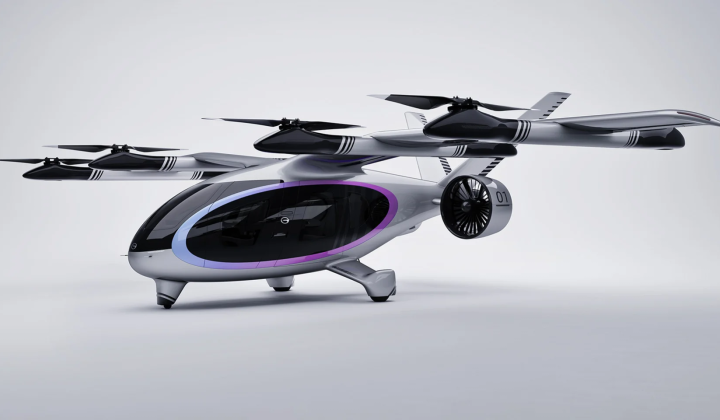
The Industry Shifts to Commercial Deployment of Flying Cars
According to НВ — Техно: On June 8, 2026, Interesting Engineering reported that the flying car industry is transitioning toward commercial operations. Su Qingpen, founder and CEO of GAC Govy, stated that solid-state batteries are essential for the development of flying vehicles. He emphasized that these batteries alone can deliver the necessary safety levels and energy capacity for aerial mobility.
GAC Govy began accepting pre-orders for its Govy AirCab model in 2025. Production of this model officially started in May 2026. The company aims to complete testing and obtain a type certificate by the end of 2026. According to its plans, a production certificate is expected in the first half of 2027.
Outlook and Future of Flying Cars
Su Qingpen predicts that by 2030, the industry will have built a fully commercial ecosystem. He compared the current state of the flying car market to that of electric vehicles about ten years ago, suggesting that once a certain level of adoption is reached, aerial mobility could develop even faster than EVs did. In his view, solid-state batteries will enable greater flight range and meet safety requirements for commercial transport.
“The economics of using solid-state batteries in flying cars differ from those in the automotive sector.” - Su Qingpen
Su Qingpen also noted that solid-state batteries can already be used in small series of air vehicles. Looking ahead, he believes that wider adoption of this technology in the automotive industry could reduce costs and make flying car operations cheaper. However, scaling up production of flying cars will be slower than for conventional vehicles due to prolonged design refinements, certification, and verification of manufacturing processes.
The move toward commercial launch marks significant progress in aerial mobility technology. Solid-state batteries may become a key factor in ensuring the safety and energy efficiency of these next-generation vehicles. Drawing parallels with the history of electric vehicle development, the future of flying cars promises to be dynamic, though achieving the required safety and certification standards will take time.
As the flying car industry gears up for commercial launch, advancements in battery technology play a crucial role in this evolution. A recent breakthrough in lithium extraction methods has not only reduced costs but also minimized waste, making it a pivotal factor for the development of solid-state batteries. This innovation could further enhance the viability of aerial mobility solutions. To explore how these advancements may impact the future of flying vehicles, read more about the new lithium extraction technique.

Read also