EU's Readiness for New Russia Sanctions Is Fading, Warns Lithuania

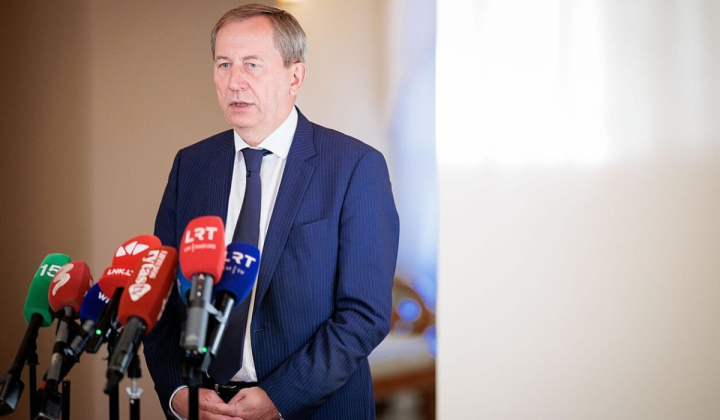
Concerns Raised by Lithuanian Presidential Advisor Over Russia Sanctions
According to 5 канал: Deividas Matulionis, a senior advisor to the President of Lithuania, has voiced alarm over what he sees as the European Union's declining willingness to adopt additional sanctions against Russia. He urged the bloc to ramp up punitive measures, arguing that now is a critical moment for action. According to Matulionis,
“enthusiasm for sanctions against Russia is gradually waning, but that’s a mistake. Right now, we need to both maintain and strengthen sanctions, because it’s clear that Russia’s own position is showing signs of instability.”
Estonian Minister's Remarks and the Stakes of Sanctions
Against the backdrop of recent events, Estonia’s Foreign Minister Margus Tsahkna commented on the July 18 attack on Kyiv-one of the largest aerial assaults on the Ukrainian capital since the full-scale invasion began. Matulionis emphasized that
“if we aim to push Russia into peace negotiations with Ukraine, achieving that without sanctions-and without tightening them-will be very difficult.”
The observations from the Lithuanian advisor and the Estonian minister highlight the ongoing importance of maintaining international sanctions against Russia amid the war in Ukraine. A drop in EU enthusiasm for new restrictive measures could undermine Ukraine’s and its allies’ efforts to secure peace. Sustained sanctions pressure remains a cornerstone of the strategy to defend Ukraine’s sovereignty and ensure regional stability. These comments come as some EU member states show signs of fatigue with the sanctions regime, despite the continued need for a unified stance.
As the situation evolves, the urgency for decisive action becomes even clearer. The recent proposed new sanctions by the EU following the attack on Kyiv underscores the critical need for a unified response to Russian aggression. Strengthening sanctions is essential not only to support Ukraine but also to deter further escalation in the region.

Read also