McFaul Warns Trump’s Policies Weaken Ukraine and Strengthen Russia’s Frontline Position

The Impact of Trump’s Policies on Ukraine’s War Effort
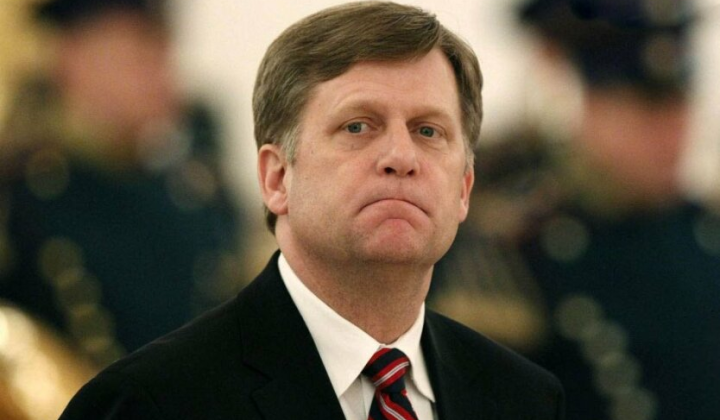
According to ХВИЛЯ: Michael McFaul, former U.S. ambassador to Russia, argues in a Foreign Affairs article that Donald Trump’s approach undermines Ukraine’s stance in its conflict with Russia. McFaul highlights that easing sanctions on Russia, cutting military aid to Ukraine, disruptions in intelligence sharing, and technical issues with Starlink and Starshield communication systems have all contributed to Russia gaining ground on the battlefield. He also points to business ties between Trump’s team and Putin, which could shape future U.S. policy.
Trump lifted restrictions on Russian diesel fuel exports and paused sanctions under the Lindsey Graham law targeting Russia and Iran. McFaul states,
"By rolling back sanctions on Russia, reducing military and economic support for Ukraine, interrupting intelligence exchanges, and pressuring Ukrainian President Volodymyr Zelensky to accept Putin’s war aims, Trump is enabling Russia’s effective annexation of large parts of Ukrainian territory."
Challenges Facing Ukraine
The article also details Ukraine’s difficulties accessing SpaceX’s Starlink and Starshield communication networks, complicating operations on the front lines. Furthermore, the introduction of the Russian "Geran-5" drone, powered by a Chinese engine, is bypassing Ukraine’s air defenses. McFaul notes the shortage of Patriot missile interceptors, strained by their deployment in the Iran conflict, further weakens Ukraine’s defensive capabilities.
Democrats may restore aid to Ukraine and prevent further shutdowns of Starlink and Starshield after the midterm elections. McFaul warns,
"Reduced U.S. support, especially in air defense, combined with faster Russian drones and increased missile attacks, threatens to make this winter the harshest yet for Ukrainians."
Reflecting on Trump’s historical interactions with Russia, McFaul references the 2013 Miss Universe pageant held in Moscow, Russia’s interference in the 2016 U.S. election favoring Trump, and the 2018 Helsinki summit between Trump and Putin. Trump has repeatedly expressed skepticism about Ukraine ever joining NATO.
A significant episode was Trump’s hosting of Putin at the 2023 Alaska summit, where pressure on Ukraine was discussed. McFaul emphasizes that "Putin’s long-term strategy involving Trump started years ago," suggesting Kremlin influence may still play a role. Despite current setbacks, McFaul remains hopeful: "The pendulum has swung toward Russia, but Ukrainians have repeatedly defied expectations and reclaimed the initiative. They can do so again."
In conclusion, McFaul believes that "no future U.S. president, Democrat or Republican, is likely to continue Trump’s Russia policy." He notes Trump may become a lame duck with waning influence over U.S. Russia policy. "It would be wise for Putin to seriously engage in ceasefire negotiations now," McFaul advises.
McFaul’s insights underscore the critical role of U.S. foreign policy in the Ukraine conflict and the potential consequences of administration changes. Given the evolving challenges Ukraine faces-from advanced Russian drone technology to communication system disruptions-ongoing support from the United States and effective coordination among allies remain essential to counter Russian aggression and influence the war’s trajectory.
As the situation in Ukraine evolves, understanding the implications of Trump's rollback of sanctions against Russia and reductions in military support becomes increasingly vital. These actions not only affect Ukraine's immediate military capabilities but also have broader consequences for international relations and the balance of power in the region.

Read also