Megapixels and Other Camera Characteristics in a Smartphone: How to Understand Them

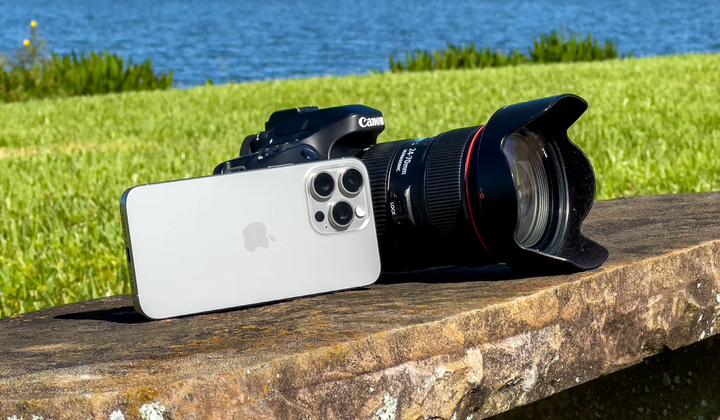
A smartphone has ceased to be just a phone for the overwhelming majority of buyers. And this is correct, as developers equip these devices with such a large number of functions. Moreover, most users pay for mobile communication not for voice calls but for internet access.
Smartphone Cameras: What Their Characteristics Indicate
There is a category of buyers who purchase new smartphones to take even higher quality photos and videos for their social media and blogs on Youtube or TikTok. Therefore, to select the ideal device in all respects, special attention must be paid to the smartphone's cameras.
Megapixels
It is easy to notice that even not the most popular brands release smartphones with cameras of 48, 64, and even 108 megapixels. But this is more of a marketing trick. The number of megapixels does not always affect the quality of the final photo.
A megapixel is a million pixels or dots that make up an image. The more megapixels, the less graininess. A photo, even when enlarged, does not break down into separate squares. However, it must be understood that manufacturers sometimes exaggerate. Today, the technology of pixel binning is widely used, combining pixels into groups of four, eight, or even 16 subpixels. Moreover, each pixel is responsible for a specific color and shade. Accordingly, if a photo taken with a cheap 48 MP smartphone camera is enlarged, it will look no better, and sometimes even worse, compared to a photo from an iPhone 8 equipped with a 7-12 MP camera.
Thus, having more megapixels does not always mean higher photo quality.
Pixel (Sensor) Size
The light-sensitive diodes in a smartphone camera are located on a special plate - a sensor or a matrix. The larger the sensor area, measured in micrometers, the more light the lens captures. Consequently, experts confirm that a larger sensor with fewer pixels can take higher quality photos compared to phones with a smaller sensor area. The ideal sensor size for obtaining decent photos in both normal and low-light conditions is from 1.55 to 1.22 μm.
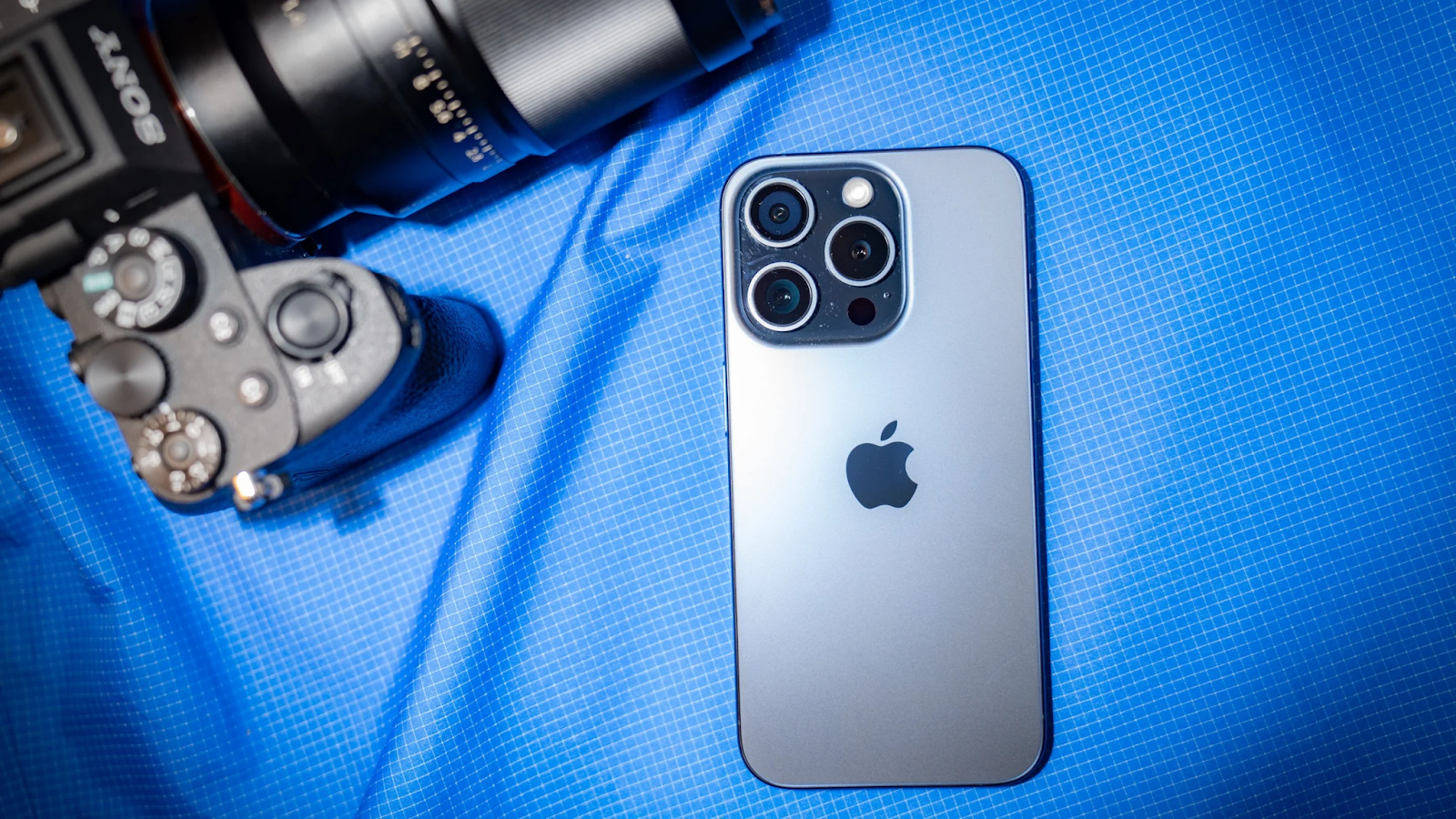
Other Important Camera Characteristics in a Smartphone
If you wish to buy a smartphone for photography, in addition to megapixels and sensor size, you need to analyze other characteristics as well.
Number of Lenses
The coolest smartphones like the iPhone 15 Pro Max or Samsung Galaxy S24 Ultra come with three main lenses:
- Main lens - usually has the most megapixels;
- Telephoto lens - for shooting objects at a distance;
- Wide-angle lens - for capturing panoramic and spatial photos.
They can work either separately or in combination to achieve various effects.
Aperture Size
For the iPhone 15 Pro Max, this is f/1.78 + f/2.2 + f/2.8. What this means:
- F/1.78 - the optimal size for the main camera, it means the camera receives the most light through the aperture;
- F/2.2 - ultra-wide camera, allowing good photos at a distance;
- F/2.8 - narrow lens with a long focal length for depth control and focusing attention on the central object of the photograph.
In cheap phones, the aperture size may be f/3.0 or larger. This means they capture less light, resulting in blurry and unclear shots.
Other Camera Characteristics
Also, pay attention to such important parameters:
- Aperture;
- Zoom - optical is better than digital;
- Optical stabilization - necessary for shooting in motion;
- HDR support - high dynamic range for better revealing color and shades;
- Auxiliary sensors - depth or AI for implementing effects and post-processing photos.
Of course, one can choose not to delve into all these features but simply trust the reviews of well-known bloggers who compare smartphones based on various characteristics, including photo quality.