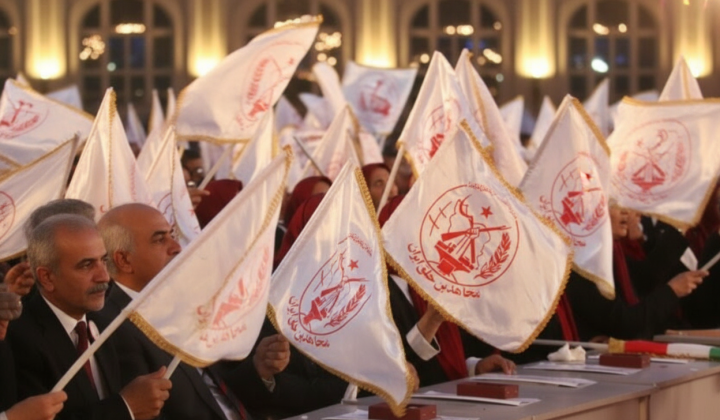
MEK Rebuts Accusations of Treason, Detailing Its Role Against Iraq in the Iran-Iraq War

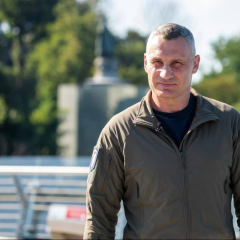
Ali Safavi on the People's Mojahedin Organization of Iran (MEK)
According to ХВИЛЯ: In a recent interview, Ali Safavi, a member of Iran's National Council of Resistance, addressed allegations of treason leveled against the People's Mojahedin Organization of Iran (MEK) concerning its actions during the Iran-Iraq war. He presented historical facts to outline the organization's stance and activities, emphasizing its claimed commitment to Iranian patriotism. The MEK remains a controversial group, designated as a terrorist organization by some countries in the past, though it has since sought political legitimacy.
The MEK categorically rejects accusations of betrayal and collaboration with Saddam Hussein's regime. According to Safavi, the organization condemned Iraq's invasion of Iran in November 1980, issuing a formal statement to that effect.
"When Iraq invaded Iran, the MEK condemned it. It issued a statement in November 1980 condemning the Iraqi invasion," he stated.
Safavi stressed that 'there is no doubt that we, as patriotic Iranians, were opposed to the invasion of our country.'
The MEK's Wartime Actions
Safavi noted that MEK forces actively fought against Iraqi troops in Khorramshahr. Furthermore, many of its members were held as prisoners of war in Iraq until 1989. After 1982, when Iraqi forces withdrew to international borders, the MEK proposed a peace plan based on the 1975 Algiers Agreement. Iraq accepted this plan, but it was rejected by Iran's Supreme Leader, Khamenei.
"Our mission was to bring peace to this conflict," Safavi noted.
Safavi also pointed out that many Iranians came to view the war not as a patriotic endeavor but as one initiated by Khamenei, whose mantra was 'liberating Jerusalem through Karbala.' Following the rejection of the peace plan, the MEK relocated to Iraq. From there, during an offensive in July 1988, its forces advanced 170 kilometers into Iranian territory. "In all these operations, it acted independently of the Iraqi government and targeted the Revolutionary Guard," Safavi concluded.
These statements by Ali Safavi highlight the enduring controversy surrounding the MEK's role in the 1980-1988 Iran-Iraq War, a topic that remains deeply divisive in Iranian society. They reflect the organization's ongoing efforts to rehabilitate its reputation, particularly among Iranians who may question the patriotism of the current regime. Historical debates on this subject continue to influence Iran's political climate and its regional relations to this day.
As the MEK continues to clarify its position during the Iran-Iraq War, understanding the broader context of Iran's political landscape is crucial. The events of the 2009 protests, along with the role of figures like Mojtaba Khamenei, highlight the ongoing struggles within the country. For a deeper insight into how these factors interconnect, explore our detailed analysis of Khamenei's influence during the protests.

Read also