The 2009 Crackdown and Mojtaba Khamenei: What Role Did Iran's Next Leader Play?

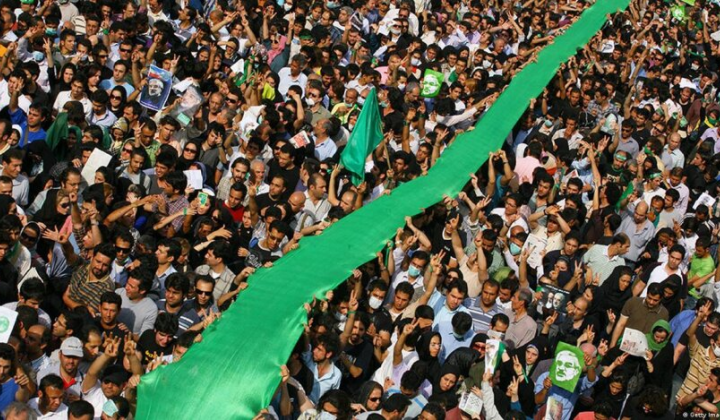
Mojtaba Khamenei's Involvement in the 2009 Protests
According to ХВИЛЯ: Mojtaba Khamenei, who has been confirmed as Iran's next Supreme Leader, played a significant part in suppressing the nationwide protests that erupted following the 2009 presidential election. The unrest was triggered by the declared victory of President Mahmoud Ahmadinejad, which many citizens believed was the result of electoral fraud. Millions took to the streets, with reformist candidate Mir-Hossein Mousavi becoming the symbolic figurehead of the movement.
The Nexus of Security Forces and Politics
Mojtaba Khamenei is known to have maintained close ties with Iran's security apparatus, particularly the Basij militia, a branch of the Revolutionary Guard. He has been accused of orchestrating election fraud to benefit Ahmadinejad and of organizing the subsequent crackdown on demonstrators. These events are crucial for understanding the power dynamics within Iran's political elite.
“People say Mojtaba played a role in what they call the election fraud in favor of Ahmadinejad, as well as in encouraging and organizing the crackdown.”
Farnaz Fassihi
This history explains why hardline factions within the regime have recently rallied behind Mojtaba Khamenei. As Michael Barbaro notes, “this guy is with us. He is our guy.” The situation illustrates how Iran's internal politics and the roles of its leaders are deeply intertwined with their response to social and political challenges. The New York Times podcast The Daily has also covered these events, highlighting their importance for comprehending contemporary Iranian politics.
The 2009 protests marked a pivotal moment in Iran, revealing profound public dissatisfaction with the regime and its governance. The repressive actions organized under Khamenei's guidance reinforced authoritarian trends in the country and underscored the role of security forces in upholding power. These events have had a lasting impact on Iran's political landscape, continuing to shape public opinion and political activism. Observing subsequent shifts in Iranian society and their implications for both domestic and foreign policy remains essential.
Understanding Mojtaba Khamenei's role in the 2009 protests is essential for grasping the recent shift in Iran's leadership dynamics, particularly as the radical factions now consolidate power following the death of Ali Khamenei. This historical context provides valuable insight into the evolving political landscape and the implications for future governance in Iran.

Read also