Trump's Peace Plan: 28 Points and Geopolitical Consequences for Ukraine


Trump's Peace Plan: 28 Points and Geopolitical Consequences for Ukraine
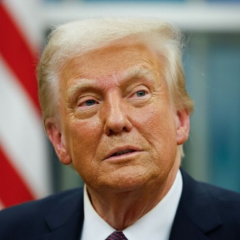
According to Студия Руслана Бизяева: Discussion of the so-called peace plan of former US President Donald Trump, which reportedly contains 28 points, takes place against the backdrop of complex global economic and military realities. Analyzing the situation, experts note that maintaining Ukraine's 800,000-strong army is extremely costly, and the only guarantor of its funding remains the United States, despite 90 billion euros in budgetary assistance from Europe. At the same time, the US itself faces serious fiscal challenges: the projected federal budget deficit for 2026 could reach a trillion dollars, and servicing the national debt requires around 20 trillion dollars every six months.
Geopolitical Challenges and Economic Consequences
In this context, Trump's plan is viewed not as a pragmatic agreement but rather as a 'pretty poster'. Its implementation is complicated by the fact that many points require new international agreements and changes in legislation, and also raise a number of practical issues – from demining territories to the social adaptation of veterans. As an unnamed European official noted in a BBC comment,
“from the question of saving Ukraine, we have moved to the question of saving the reputations of those who orchestrated this story”
.
Geopolitically, the plan does not address key 'fault lines' – the consequences of World War II and the collapse of the socialist camp. Economic pressure is increasing: the strengthening euro, whose exports amount to 5.2 trillion euros, threatens competitiveness, particularly in the automotive industry, while Russia, whose budget revenues depend on energy by 26-27%, sells Urals oil at a discount of about 40%. Thus, the discussion of the 'peace plan' takes place in conditions of deep interdependence and conflicting interests of all key players.

Read also