Born in Russia, She Became an OUN Legend: The Death of Olena Teliha at Babi Yar

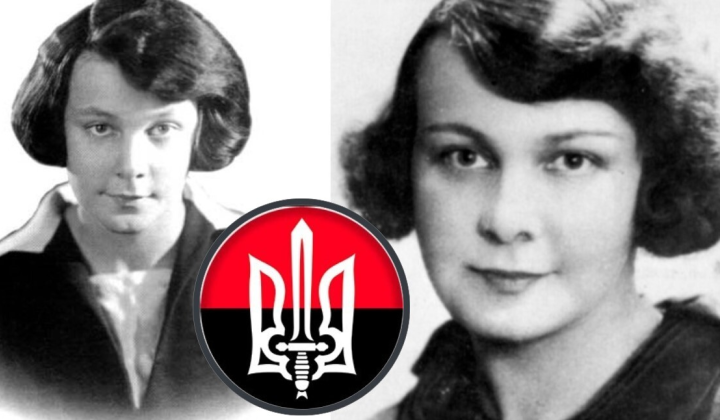
Olena Teliha: Life and Legacy
According to Radiotrek — Світ: Olena Teliha, a Ukrainian poet, journalist, and activist for the Organization of Ukrainian Nationalists (OUN), was born on July 21, 1906, in Ilyinskoye, Moscow Governorate. Despite living only 36 years, she authored 38 poems and made a lasting impact on Ukrainian culture. Raised in a Russian-speaking household, Teliha came to identify as a Ukrainian nationalist. She was killed at Babi Yar in February 1942, marking a tragic turning point in her life.
Teliha was the daughter of Ivan Shovgeniv, a hydraulic engineer originally from the outskirts of Sloviansk, and a mother from the Podillia region. Russian was spoken in the Shovgeniv household, and Olena learned French and German but not Ukrainian. After the 1917 revolution, her father became a professor at Kyiv Polytechnic and later served as a minister in the government of the Ukrainian People's Republic (UPR). Her older brother, Serhiy, fought in the UPR army. Following the collapse of Ukrainian statehood, the family was forced into exile. In spring 1922, they moved to Czechoslovakia, where Olena met many prominent Ukrainian figures.
Activism and Death
Olena Teliha married Mykhailo Teliha, an officer in the UPR army from Kuban. In July 1941, as part of an OUN expeditionary group, she crossed the San River near Yaroslav and headed to Lviv. On September 22, 1941, she traveled to Rivne, and by October 22, she had arrived in Kyiv. Her activities did not go unnoticed. On February 9, 1942, Olena Teliha went to the Union of Ukrainian Writers, where she fell into a Gestapo ambush. Mykhailo Teliha was arrested alongside her.
Olena Teliha and other nationalists were executed at Babi Yar in the latter part of February 1942, specifically on the 22nd. Her life was short but filled with a struggle for Ukrainian identity. Renowned researcher of the poet's life and work, Bohdan Chervak, notes:
“Many researchers of the poet's life and work cannot understand how a salon lady, raised in an atmosphere of Russian culture, came to recognize herself as Ukrainian.”
Olena Teliha left behind not only her writings but also deep emotions and a patriotic spirit. She once said: 'You are boors! That dog's language is my language! The language of my father and mother. And I no longer want to know you.' Her words and actions continue to inspire subsequent generations of Ukrainians.
The significance of Olena Teliha within Ukrainian culture and history cannot be overstated. Her work, blending poetry with profound patriotism, became a symbol of the Ukrainian people's struggle for identity during difficult times. Teliha's death at Babi Yar underscores the horrific consequences of the political repression Ukraine endured during World War II. Honoring her memory is a crucial step in preserving Ukraine's historical memory and culture.

Read also