NASA Selects GIMLI Mission to Explore Marius Hill Pit for Subsurface Lava Tubes or Caves

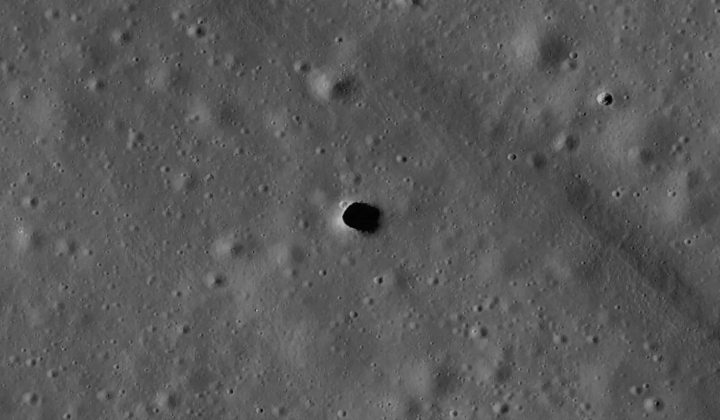
GIMLI Mission Targets Marius Hill Pit on the Moon
According to НВ — Техно: NASA has chosen the GIMLI (Geophysical Instruments for Marius Lunar pit Investigation) project to study the Marius Hill Pit (MHP), a notable depression on the lunar surface. The mission aims to investigate the possibility of an underground lava tube or large cave beneath this pit. Led by Tan Pučiga, senior scientist and deputy director at the Planetary Science Institute (PSI), GIMLI is part of NASA's PRISM program (Payloads and Research Investigations on the Surface of the Moon), which supports innovative lunar surface research.
Advanced Scientific Tools to Probe the Lunar Pit
The mission will deploy cutting-edge instruments delivered by a lander and rover from the Commercial Lunar Payload Services (CLPS) initiative. These tools include:
- Ground-penetrating radar
- Seismic sensors
- Gravimeter
- Cameras
By utilizing these instruments, scientists will gather detailed data on the internal composition of the Marius Hill Pit. The exposed layers of regolith and lava flows visible in the pit could provide crucial insights into the Moon’s geological and volcanic past.
This research will also assess the size and characteristics of any underground cavity, which could reveal important information about the formation processes of lunar terrain. The project includes collaboration with organizations such as Honeybee Robotics and the Norwegian Space Agency, highlighting international cooperation in lunar exploration.
Exploring Marius Hill Pit has the potential to greatly enhance our understanding of the Moon’s geological history and volcanic activity.
Mapping subsurface features like lava tubes is not only key to piecing together the Moon’s evolution but also vital for identifying resources that could support future lunar missions. The involvement of global partners in GIMLI underscores the increasing worldwide interest in lunar science and the advancement of collaborative space exploration efforts.
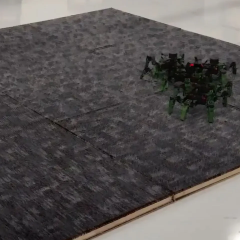
As NASA continues to push the boundaries of lunar exploration, their recent advancements in humanoid robotics are set to play a crucial role. These robots are specifically designed to operate in the extreme conditions of the Moon and Mars, enhancing the effectiveness of missions like GIMLI. By integrating advanced robotic technology, NASA aims to improve the efficiency and safety of future explorations, which may include the investigation of subsurface structures revealed by the GIMLI mission.

Read also