NATO Establishes a New Command Framework to Bolster Defenses in Latvia and Estonia

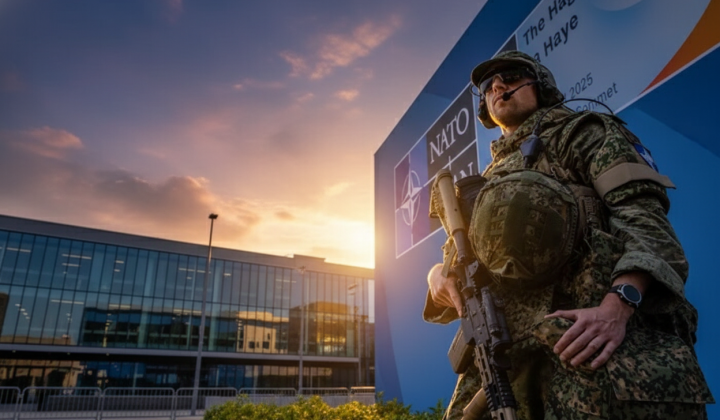
Strengthening NATO's Eastern Flank
According to Главком: NATO is moving to reinforce its eastern flank by setting up a new military command structure designed for rapid force deployment in Latvia and Estonia. The changes involve adding a corps-level command tier, which will enable quicker concentration of troops. In wartime, an army corps typically comprises several divisions, totaling between 40,000 and 60,000 soldiers.
NATO forces already stationed across the three Baltic states and northern Poland fall under a single multinational headquarters located in the Polish city of Szczecin. Germany and the Netherlands have agreed to assign the German-Dutch Corps, headquartered in Münster, Germany, to take responsibility for defending Latvia and Estonia.
Rising Security Threats
Amid growing security concerns, the Baltic nations are showing keen interest in Ukraine's expertise in building shelters and civil defense systems-a move that underscores their drive to boost regional defense capabilities. Additionally, there has been a notable increase in drone incidents near NATO borders, highlighting the urgent need for tighter surveillance and faster responses to potential threats.
These structural changes within NATO, along with the heightened military presence in the Baltic region, reflect the Alliance's serious commitment to safeguarding its members in the face of modern challenges.
The reinforcement of NATO's defensive posture in the Baltic region is a direct response to escalating threats from neighboring states. Amid regional instability, strengthening military frameworks and fostering cooperation among Alliance members underscores the importance of collective security. Such steps may also reshape the geopolitical landscape in Europe, signaling NATO's readiness to enhance its defensive capabilities.
Source: Military News
As NATO enhances its military framework in the Baltic region, it is crucial to understand the broader context of these developments. The recognition of Russia as NATO's main adversary underscores the urgency behind these strategic changes, highlighting the Alliance's commitment to collective security amidst rising tensions in Eastern Europe.

Read also