NATO Chief Urges Europe to Reduce Reliance on U.S. Military Support

A Strategic Shift for NATO
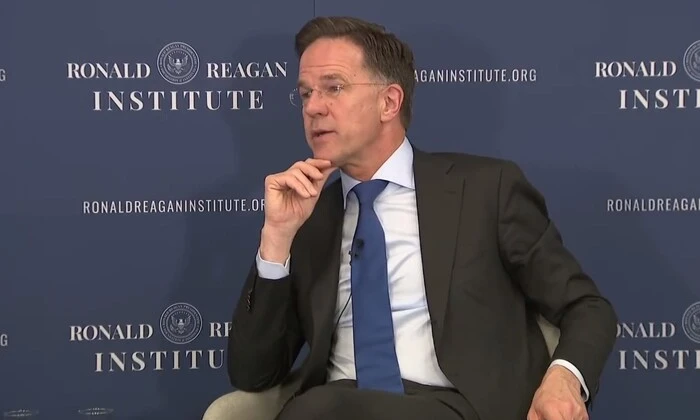
According to Главком: Speaking in Washington, NATO Secretary General Mark Rutte announced a gradual strategic shift within the Alliance, specifically aimed at reducing European dependence on the United States. He noted that for a long time, European nations have relied heavily on American military support, which has led to a decline in their own defense capabilities. A perception of military force as undesirable in some European countries has further contributed to reduced defense spending.
Rutte emphasized that the policies of Donald Trump compelled allies to reassess their security approach. He pointed out that allies have since begun to increase their defense expenditures, laying the groundwork for a more balanced partnership within NATO. While expressing unwavering gratitude for the value of American leadership, the Secretary General also stressed the importance of not taking that leadership for granted.
“This transatlantic alliance, at least for now, is irreplaceable,” Rutte stated.
Europe's Call to a More Active Role
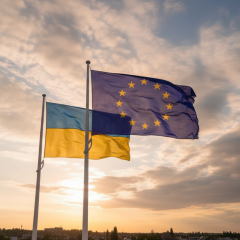
Rutte also highlighted the necessity for European nations to play a more active role in securing strategic routes, such as the Strait of Hormuz, which remains an unstable passage even after the announced ceasefire between the U.S. and Iran. This call comes as European security concerns have grown following Russia's invasion of Ukraine. Additionally, Rutte indicated that the question of Ukraine's membership in the Alliance will not be resolved in the immediate future.
Mark Rutte's statements underscore the significance of this evolving NATO strategy, which signals a European desire to assume greater responsibility for its own security. Reducing dependence on the U.S. could mark a new phase in the Alliance's development, with potential implications for the global geopolitical landscape. Security in regions like the Strait of Hormuz remains a pressing issue, and active European involvement in these efforts could become a key factor in ensuring worldwide stability.
As NATO navigates this strategic transformation, the implications of the ongoing tensions in the Middle East are becoming increasingly relevant. The Alliance's discussions on its role in the Iran conflict, particularly in light of recent talks between Rutte and Trump, highlight the need for a cohesive response to emerging threats. For a deeper understanding of how NATO is addressing these challenges and the potential ramifications of a U.S. withdrawal, see NATO's evolving stance on the Iran conflict.

Read also