Urgent Parliamentary Action Needed on Anti-Corruption Strategy 2026-2030 to Secure €420 Million EU Funding

The Importance of Approving the Anti-Corruption Strategy
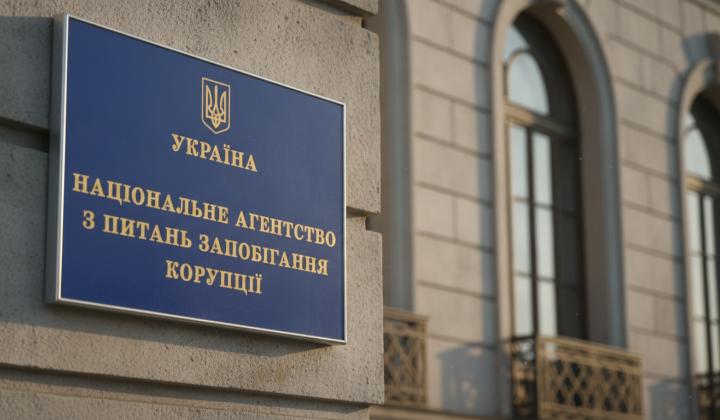
According to 5 канал: The National Agency on Corruption Prevention (NACP) has stressed the urgent need for the swift consideration of draft law No. 15230-d, which pertains to Ukraine’s Anti-Corruption Strategy for 2026-2030. Passing this legislation is a prerequisite for Ukraine to receive €420 million in financial aid from the European Union. The strategy was developed over two years through collaboration between the parliamentary Committee on Anti-Corruption Policy, various ministries and government bodies, experts from the European Commission and OECD, as well as civil society representatives.
Primary Objectives of the Strategy
The strategy focuses on two main goals:
- Enhancing the effectiveness of corruption prevention and counteraction systems;
- Reducing corruption in critical sectors through comprehensive sectoral reforms.
Adopting this strategy is a key commitment Ukraine must meet as part of the interim benchmarks on its path toward European Union membership. The document aligns with Measure 2 of Strategic Result 1, subsection 2.1 of Section II "Combating Corruption" within the Rule of Law roadmap. The European Commission’s recommendations for Ukraine in 2024 and 2025 explicitly call for the adoption of an updated anti-corruption strategy.
Former President Petro Poroshenko has urged parliament to reinstate the Anti-Corruption Strategy bill on the legislative agenda, stating:
“I don’t understand why the anti-corruption strategy isn’t currently on the floor. We were told we needed to vote on the national minorities law, but why has the independence of anti-corruption bodies been forgotten? We demand the anti-corruption strategy be brought to the floor.”
However, the ruling majority has removed the bill from the Verkhovna Rada’s agenda.
Opposition voices have also criticized the government’s version of the strategy. Victoria Siumar, a People's Deputy from European Solidarity, labeled it a "pocket" and superficial document. Her alternative proposal includes:
- Mandatory asset declarations for all government advisors;
- Protection of freedom of speech and an end to the harassment of investigative journalists by anonymous Telegram channels;
- Assurances of independence for the National Anti-Corruption Bureau (NABU) and the Specialized Anti-Corruption Prosecutor's Office (SAP);
- Transparent and fair recruitment processes within law enforcement agencies.
The NACP has called upon parliament to approve the Anti-Corruption Strategy at first reading, emphasizing that the strategy’s goals extend beyond significantly reducing corruption. It aims to strengthen democratic principles, uphold the rule of law, promote good governance, and foster Ukraine’s social and economic growth. Ultimately, it supports Ukraine’s ambitions to achieve full membership in both the European Union and the North Atlantic Treaty Organization (NATO). The NACP also expressed readiness to engage constructively within parliamentary procedures and provide analytical assistance to improve the draft strategy.
Enacting the Anti-Corruption Strategy represents a critical milestone for Ukraine. It not only unlocks essential EU funding but also reinforces democratic institutions and the rule of law amid ongoing political debates and opposition critiques. The strategy’s approval would demonstrate Ukraine’s commitment to reforming its anti-corruption framework and advancing its integration into the European community.
In light of the pressing need for legislative action, the former president's call to prioritize the anti-corruption strategy is particularly noteworthy. His emphasis on bipartisan support could play a crucial role in advancing this vital initiative. For further insights on the implications of this strategy and the political dynamics surrounding it, read more about how Poroshenko advocates for the reinstatement of the anti-corruption legislation in parliament here.

Read also