German Scientists Confirm Nuclear Fuel Stability in Chernobyl Radioactive Particles, Reducing Health Concerns

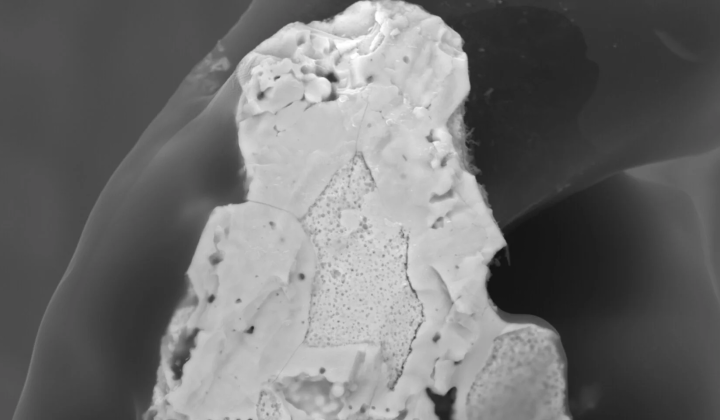
Analyzing Radioactive Fragments from Chernobyl
According to НВ — Техно: A team of German researchers examined six highly radioactive particles recovered from the Chernobyl site, revealing that the crystalline structures and nuclear fuel within these fragments are more stable than previously assumed. These samples, which have remained dangerously radioactive since the 1986 nuclear disaster, provide new insights that help refine the assessment of health risks linked to the site. The findings were published in the Journal of Hazardous Materials.
Scientists from Leibniz University Hannover and the Helmholtz-Zentrum Dresden-Rossendorf (HZDR) carried out the study. They investigated particles ranging from 8 to 50 micrometers in size using synchrotron X-ray diffraction at Grenoble. The samples were mounted on tungsten electrodes and rotated through 2000 different angles under an X-ray beam as thin as a human hair. This approach demonstrated that the nuclear fuel’s crystalline matrix within the fragments has largely remained intact over the decades.
Categories of Radioactive Particles
Physicists classify radioactive particles from Chernobyl into three main groups:
- those resembling uranium dioxide,
- particles associated with the zirconium protective cladding,
- and fragments formed from the burning of graphite moderators during the accident.
It is important to note that radioactive dust continues to contaminate the soil within the exclusion zone, restricting human movement to protective suits only. The researchers aim to expand their experiments to include highly radioactive transuranic phases, which could offer further critical information about safety measures in the contaminated area.
This research is crucial for understanding the enduring impact of nuclear disasters, potentially informing safety protocols and health protection strategies for those working in contaminated environments.
Moreover, these findings may enhance cleanup techniques for radiation-affected regions and increase public awareness about the hazards posed by radioactive materials.

Read also