Luhansk Occupation Authorities Honor Ukrainian Hero Tetyana Molchanova with Title of Honorary Citizen

Honorary Citizenship Awarded Amid Occupation
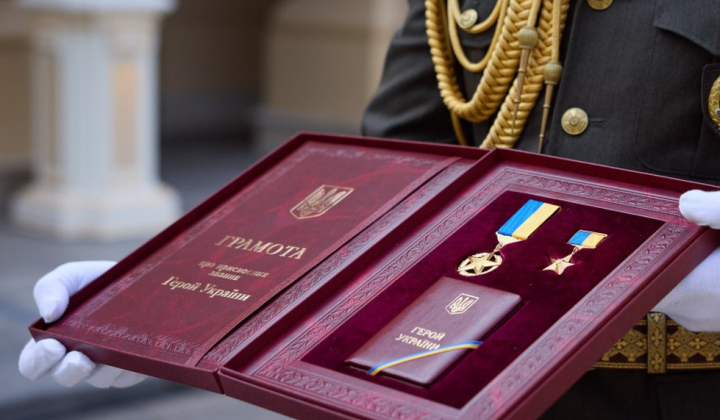
According to Radiotrek — Світ: On August 27, 2026, during the 231st anniversary of Luhansk, the occupation administration granted the title of Honorary Citizen to Tetyana Molchanova, a recognized Hero of Ukraine and chairwoman of the supervisory board of the Luhansk Meat Processing Plant. Molchanova, who chose to remain in the city following its occupation in 2014, continues to manage the enterprise now operating under Russian jurisdiction.
Economic Impact and Collaboration with Occupying Authorities
Under Molchanova’s leadership, the Luhansk Meat Processing Plant was re-registered according to the laws imposed by the occupation regime. In 2024, the company reported revenues of approximately 5.1 billion rubles, contributing around 147 million rubles in taxes to the Russian Federation’s budget. Molchanova has actively engaged with the occupying administration, receiving honors such as the Order of Labor Glory and Merit Medals. She also represented the plant at the 2024 St. Petersburg International Economic Forum.
Publicly, Molchanova is presented as a key figure in the local business community operating within Russian-controlled territory, a role that has sparked mixed reactions among residents. The Honorary Citizen title awarded by the occupation authorities has drawn criticism and accusations of betrayal from segments of the public. Despite this, Molchanova remains in her position, sustaining the region’s economy under the ongoing control of Russian forces.
This recognition highlights the complex realities faced by businesses in Luhansk, which must navigate the challenges of functioning under an occupying power. It also illustrates how individuals who stayed in the region post-occupation can receive official acknowledgment from the occupation government, fueling controversy and debate. Molchanova’s case reflects broader issues around cooperation with occupying forces and their influence over local economic and political life.
For international observers, this situation underscores the difficulties in distinguishing between survival, collaboration, and resistance within occupied territories, where economic activity often becomes entangled with political control.

Read also