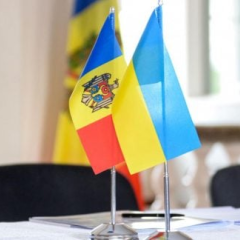
Grain harvested on Ukraine's occupied farmlands reaches 9.3 million tonnes, Kyiv reports.

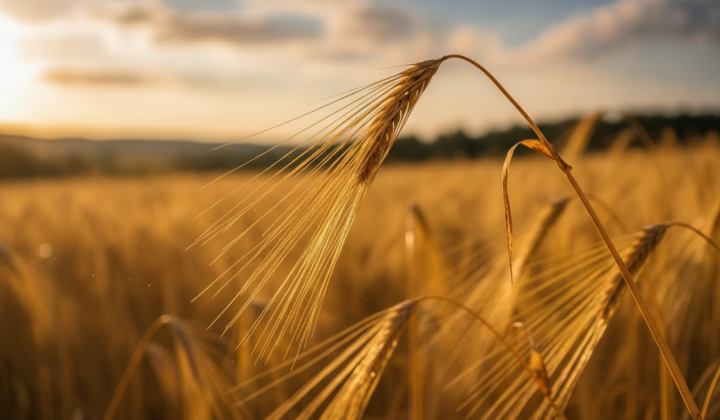
Agriculture in Ukraine's Temporarily Occupied Territories
According to 5 канал — Економіка: Ukraine's Ministry of Agrarian Policy and Food reports that about 3.5 million hectares have been sown in the country's temporarily occupied regions. The total harvest of grain and oilseed crops there is estimated at 9.3 million tonnes. Roughly 20% of Ukraine's agricultural land is under temporary occupation, and satellite imagery is currently the only way to assess conditions in those areas. These figures carry implications far beyond Ukraine's borders, given the country's key role in global grain supplies.
Forecast Harvests for Key Crops
The official forecast for major crops is as follows:
- wheat: nearly 1.8 million hectares, with an expected output of about 5.5 million tonnes;
- barley: close to 600,000 hectares, expected to yield 1.3 million tonnes;
- sunflower: about 800,000 hectares, projected at 1.3 million tonnes;
- corn: roughly 150,000 hectares, with a harvest estimate of 50,000 tonnes;
- rapeseed: around 120,000 hectares, expected to produce 250,000 tonnes.
Meanwhile, Ukraine's Ministry of Foreign Affairs has voiced concern over the ship ABINSK, which brought wheat taken from temporarily occupied Ukrainian territory to the Israeli port of Haifa. Kyiv warned Israeli officials about the unlawful cargo on 23 March and received assurances that the matter would be handled properly.
Taras Vysotskyi, a representative of the agricultural policy ministry, explained: "Satellite imagery is currently the only source of information about farming in the occupied territories. We see every hectare that has been planted and can estimate the harvest potential. What the satellite cannot reveal is exactly how the occupiers use the grain after it is grown. But the fact remains: the land is producing a Ukrainian harvest, and every tonne is under our monitoring and accounting."
In another sign of international action, Sweden confiscated a Russian ship carrying stolen Ukrainian grain, illustrating growing global efforts to counter these violations.
The situation highlights how difficult Ukraine's agricultural policy has become in wartime, with a substantial share of farmland still under occupation. Global reactions, such as the Swedish seizure, show that the illegal removal of Ukrainian resources is being recognized and resisted on the international stage.
As the situation unfolds, the impact of the Russian blockade on Ukraine's agricultural exports cannot be overlooked. With current estimates indicating that the country is only managing to ship a mere one-third of its grain, the consequences on global food supply chains are significant. To understand the broader implications of these challenges, including the current state of shipping and the potential for future harvests, read more about the ongoing blockade here.

Read also