Main Parameters for Choosing a Home Inverter

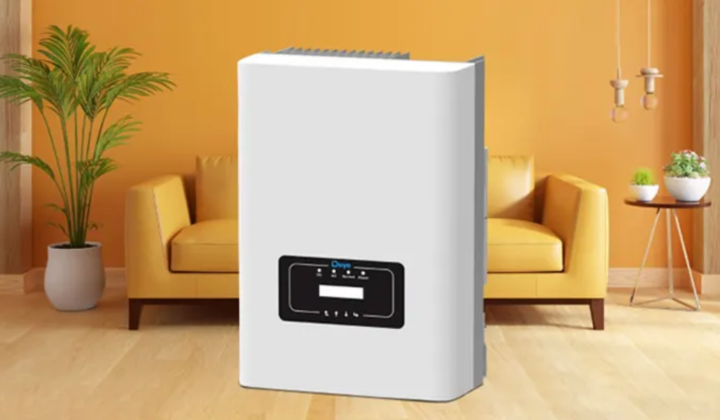
The absence of electricity for several hours during the day has become a common fact. Ukrainians are trying to solve this problem with the help of batteries, thermal stations, generators, etc. For those who are still indecisive about choosing an alternative source of electricity, specialists advise paying attention to inverters — devices for converting direct current into alternating current.
Read below about their specific characteristics that need to be taken into account to avoid making a wrong choice.
Types of Inverters for Home
To power household appliances, manufacturers offer three types of inverters:
- grid-tied — provide power to the internal network from solar panels;
- standalone — do not depend on the power grid, store energy in batteries, and then convert it into electricity;
- hybrid — combine the functions of grid-tied and standalone models, provide access to energy from batteries, solar panels, and the grid.
Home inverters primarily support single-phase voltage. Some models can work with three-phase alternating current.
Characteristics to Consider When Buying an Inverter
Household inverters vary in power and waveform of electricity. These parameters determine the choice of the device:
- the power determines how many devices can be connected to the power converter;
- the type of waveform determines what equipment can be connected to the inverter.
Note that the inverter's power should exceed the total electricity consumption of the household appliances by 30-40%.
Important! To power sensitive electronics — heating boiler pumps, air conditioners, refrigerators — inverters with a pure sine wave are required.
When choosing an inverter for home, pay attention to the presence of protection against overheating, short circuits, overloads, and the quantity and types of sockets.
Installing an inverter in a home ensures stable access to electricity in case of emergencies and protects household appliances from voltage fluctuations. The device reduces electricity consumption, prolongs the lifespan of household appliances, and improves their performance.