Hard Questions for the Kremlin Could Be Forced by Russia's Fuel Crisis

Ukraine's Strikes Are Hitting Russian Homes
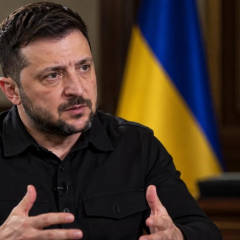
According to ХВИЛЯ: In a commentary for The Sun, William Browder said the everyday consequences of Ukrainian attacks inside Russia may push ordinary Russians to confront their leaders with hard questions. He connected the strike on the largest Wildberries warehouse near Podolsk to military logistics and pointed out that the company owes roughly $15 billion to major Russian banks. Because thousands of businesses depend on the Wildberries platform, taking it out of operation could deal a heavy blow to the national economy, he argued.
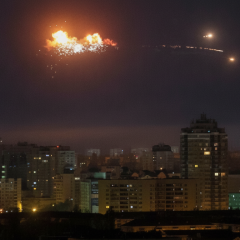
On the night of August 16, a massive blaze broke out at a Wildberries warehouse outside Podolsk. During the same night, 187 drones were shot down over the Moscow region, highlighting the intensity of the military activity. Browder also noted that Russia is going through a second wave of its fuel crisis: about a third of oil-refining capacity has been disabled by strikes, and gasoline shortages now affect more than a dozen regions.
Life With Less Gasoline
To cope with the shortage, some regions have begun limiting refueling, using rules such as odd-even license plate days and a cap of 30 liters per customer. Browder remarked that most Russians have not been bothered by civilian casualties in Ukraine because they believe those deaths do not affect them personally. But when the war interrupts their own routines, whether through failed next-day deliveries, internet outages in Moscow, or long queues at gas stations, they may start wondering whether the conflict is necessary.
"When war enters everyday life, the authorities must explain why it is needed." - William Browder
These developments show how military conflict can create immediate and visible effects on civilian life. Targeting crucial economic infrastructure, such as warehouses and refineries, causes not only financial fallout but also social tension. Once people feel the cost of war in their own daily experience, public moods can shift, and Russians may begin asking their government questions about the wisdom of prolonging the war. For outside observers, this is a reminder that the effects of the conflict are no longer confined to the front line.
As the repercussions of the ongoing conflict become more tangible, understanding the underlying factors that influence public sentiment is crucial. In a related analysis, Browder emphasizes that fear rather than genuine support sustains compliance among the Russian populace. This perspective sheds light on the complexities of Russian attitudes towards the war and the potential for change as the economic situation deteriorates. For a deeper exploration of this dynamic, read more about how fear shapes the responses of ordinary Russians in Browder's commentary.

Read also