Pope Urges Russia to Resume Talks with Ukraine amid Renewed Violence

Accusations and Calls for Dialogue
According to Главком: Cardinal Victor Manuel Fernández has accused the European Union and major world governments of applying international law selectively. According to Fernández, Russia, the United States, and other nations have stretched the definition of legitimate self-defense, creating a need to revisit traditional approaches to these issues. The Vatican has called for a narrower interpretation of self-defense and a complete rejection of the logic behind preemptive wars-a key theme at a gathering convened by Pope Leo XIV to rethink Church doctrine.
Pope Leo XIV’s stance has sparked a conflict with U.S. Vice President J.D. Vance, who criticized his statements. The Pope questioned the moral legitimacy under Christian ethics of U.S.-Israeli strikes in Iran. Most cardinal working groups agreed on the need to reform the doctrine, reflecting a widespread desire for change in this area. As part of these discussions, the Pope pledged to revise the Church’s teaching on legitimate self-defense.
Calls for Peace
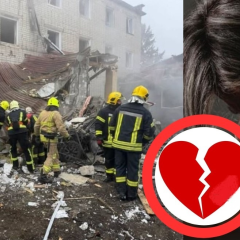
Additionally, Pope Leo XIV has called on Russia to return to negotiations with Ukraine, emphasizing the importance of dialogue in achieving peace. The Pope made this statement aboard a plane during a flight to Madrid, against the backdrop of fresh Russian attacks that killed at least 15 people and wounded over 70. The Pope remarked:
“We need to return to negotiations. Pressure must be applied to end the violence and war and to find a solution.” - Pope Leo XIV
In response to the Holy See’s appeals, Kremlin spokesman Dmitry Peskov stated that Russia had received no official mediation proposals from the Holy See. Peskov also noted that the question of a venue for talks has not yet been addressed. This situation underscores the complexity of diplomatic efforts amid contemporary international conflicts.
The statements from Pope Leo XIV and Cardinal Fernández signal the Vatican’s attempts to influence global politics and refocus attention on the moral dimensions of international relations. The calls for dialogue between Russia and Ukraine, along with the need to rethink the concept of self-defense, reflect the Church’s desire for peaceful conflict resolution and a reassessment of traditional approaches to war. However, the Kremlin’s reaction suggests that diplomatic efforts may face serious obstacles due to Russia’s lack of readiness to cooperate.
In light of the ongoing violence and the Pope's recent call for renewed dialogue, it is essential to explore the broader implications of these diplomatic efforts. Understanding the complexities surrounding the Vatican's stance and its potential impact on international relations can provide valuable context. For a deeper insight into the Pope's appeal for peace and the reactions it has sparked, read more about the Holy See's position on negotiations with Ukraine.

Read also