US Military Drafts Plans for Sustained Campaign Against Iran

US Military Planning for Potential Conflict with Iran
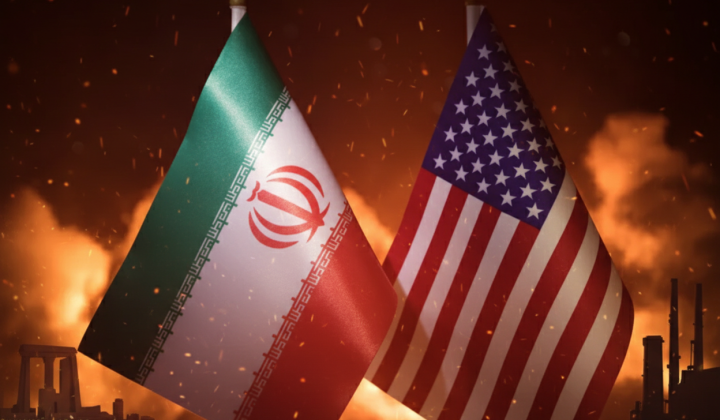
According to Главком: The US military has initiated detailed planning for a potential, sustained military campaign against Iran that could last for several weeks. This new strategy, which is far more extensive than previous limited engagements, considers strikes against Iran's nuclear infrastructure and key state and security institutions. The Pentagon is bolstering its forces in the region in preparation for this significantly larger-scale scenario.
This planned operation differs from last year's 'Midnight Hammer,' which was a one-time strike by stealth bombers on Iranian nuclear sites. To support the new posture, the Pentagon has already dispatched a second aircraft carrier, fighter jets, and destroyers to the Middle East. US military bases in Jordan, Qatar, Saudi Arabia, and other regional nations provide the infrastructure for potential action. This military planning occurs within a complex geopolitical context, where regional alliances and Iran's nuclear ambitions are constant factors.
Diplomatic Efforts and Iran's Response
Speaking to troops in North Carolina, US President Donald Trump stated that a potential military scenario could be 'very traumatic' for Tehran, adding that 'sometimes only fear is an effective tool' for resolving a situation. The final decision on military action will depend on the outcome of diplomatic efforts underway in Oman and Geneva. Trump expects results from negotiations with Tehran within the next 30 days.
On February 11, Trump met with Israeli Prime Minister Benjamin Netanyahu at the White House to discuss negotiations concerning Iran's nuclear program. Concurrently, Iranian President Masoud Pezeshkian publicly apologized to the Iranian people for the deadly suppression of anti-government protests, expressing shame over recent events and promising aid to victims. These developments unfold against the backdrop of nationwide rallies marking the 47th anniversary of the 1979 Islamic Revolution.
The information points to escalating tensions in US-Iran relations, particularly amid new threats from Washington. The Pentagon's increased military presence in the region signals a readiness for more decisive action in response to conflict escalation. While ongoing parallel diplomatic efforts could be crucial for averting military action, the situation remains highly volatile, and the outcome of negotiations will likely shape future events in the region.

Read also