US-Iran Talks Collapse as Tehran Demands End to Naval Blockade Before Any Dialogue


Uncertainty Deepens Between Washington and Tehran
According to Главком: Direct peace negotiations between the United States and Iran have fallen through, leaving both sides in a dangerous state of unpredictability. Iranian analysts describe the situation as one of strategic ambiguity. Although active combat in the region has ceased, Iran's domestic conditions remain dire. The country faces critical shortages of medicine and petrochemical products, with inflation projected to hit 49% even in the most optimistic scenario. If the current stalemate continues, inflation could climb to 70%, and a resumption of hostilities risks triggering hyperinflation above 120%.
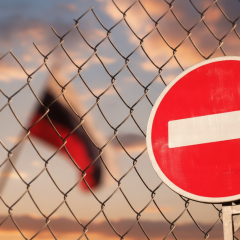
Donald Trump canceled a planned visit to Islamabad by special envoys Steve Witkoff and Jared Kushner, further complicating the landscape. Tehran has insisted on no direct contact unless the U.S. lifts its naval blockade of Iranian ports. Iranian Foreign Minister Abbas Araghchi is currently consulting with Oman and preparing for a trip to Russia. Meanwhile, Tehran has denied reports that a direct meeting was being arranged in Pakistan.
Talks and Their Fallout
The first round of U.S.-Iran negotiations ended on April 12 without any agreement. The breakdown stemmed from disputes over Tehran's nuclear program, as Iran failed to provide guarantees that it would not pursue nuclear weapons. As an Iranian representative stated,
“The Iranian side does not plan any contact with the U.S. delegation, and all of Tehran's comments and proposals will be conveyed through Pakistani mediators,”
said Esmaeil Baghaei.
Analysts warn that the Iranian leadership's current cautious approach is driven by fear of domestic backlash if any deal fails. Iran's authoritarian regime can maintain internal stability for three to six months, but further escalation of tensions could lead to severe consequences for both the country and the wider region.
Relations between Washington and Tehran remain tense amid Iran's economic struggles and a lack of progress in talks. The uncertainty in bilateral ties not only threatens Iran's internal politics but also risks inflaming regional conflicts, with serious implications for global security. The next steps taken by both sides could determine not just their bilateral relationship, but stability across the entire Middle East.
In light of the recent breakdown in negotiations, understanding the main points of contention regarding Iran's nuclear program becomes crucial. The complexities surrounding these discussions highlight the intricate balance of power and the potential consequences for both nations if a resolution remains elusive.

Read also