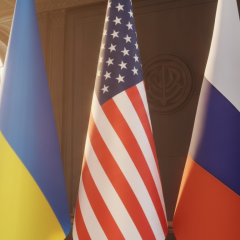
Iranians Take to Tehran Streets Following U.S.-Iran Ceasefire Announcement

Ceasefire Between the U.S. and Iran
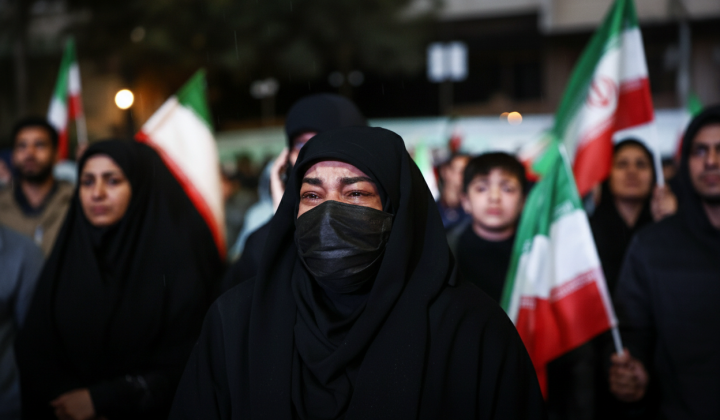
According to Главком: Following the announcement of a ceasefire between the United States and Iran, residents of Tehran poured into the streets. This truce came about as a result of a deadline set by U.S. President Donald Trump, which expired at 03:00 Kyiv time on the night of April 7-8, 2023. Trump declared a two-week cessation of hostilities, to which Iran's leadership responded by agreeing to the ceasefire. This development is a significant de-escalation in a region long fraught with tension. Simultaneously, it was announced that the Strait of Hormuz would be partially reopened.
Pakistan's Involvement and Impact on Global Prices
Pakistan also played an active role in the process, offering to host the first direct talks between Iran and the U.S. in Islamabad. Pakistan invited representatives from both nations to the capital for negotiations on Friday, April 10. Meanwhile, Israel, a key regional player, also agreed to a temporary truce.
These events immediately impacted global oil markets, with prices falling sharply on news of the ceasefire. The situation in the region remains delicate, and upcoming negotiations could prove decisive for stabilizing relations between Iran and the United States.
The ceasefire between Iran and the U.S., along with Pakistan's involvement in peace talks, points to a potential easing of regional tensions, which could positively influence global markets, particularly oil prices. However, the subsequent actions of both nations remain crucial for achieving lasting peace and stability in this strategically vital area. The interplay between these states, including Israel, underscores the complexity of international relations and the critical importance of diplomacy in conflict resolution.
The recent ceasefire between the U.S. and Iran marks a pivotal moment in Middle Eastern diplomacy, especially considering Israel's agreement to the terms. This development highlights the intricate balance of power in the region and the potential for further negotiations that could reshape international relations and stabilize oil markets.

Read also