Kyrylo Budanov's First 100 Days: A New Direction for Ukraine's Presidential Office

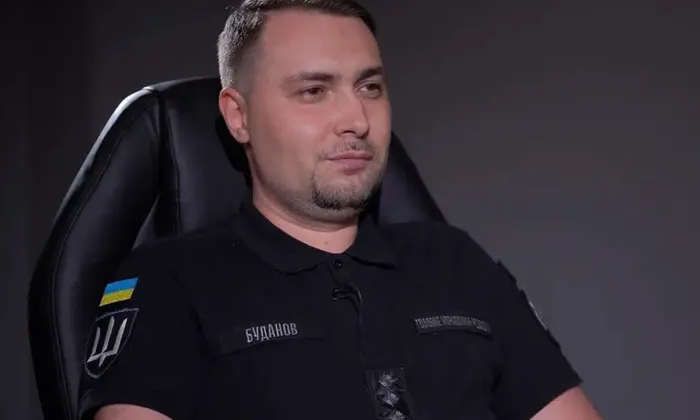
Kyrylo Budanov Assumes Leadership of the Presidential Office
According to Главком: Having been appointed to lead the Presidential Office, Kyrylo Budanov has now completed his initial three months in the role. During this period, he has not only stabilized the institution's operations but also implemented new procedural frameworks. Political analyst Oleksiy Holobutsky notes that Budanov, the former head of Ukraine's Main Intelligence Directorate (GUR), has avoided sweeping personnel changes since his appointment. This suggests a deliberate strategy to avoid further destabilizing an already strained structure.
A Focus on Systematization and Stability
According to Holobutsky's analysis, Budanov has prioritized the systematic cataloging of problems, assessment of resources, and the search for solutions.
"It is now clear that Budanov has no interest in gossip or political intrigue. The Presidential Office has become a structure that systematizes problems, evaluates resources, and seeks solutions," stated expert Oleksiy Holobutsky.
He emphasized that stabilizing the crisis situation has allowed Budanov to gradually increase momentum, steering the Office toward systemic thinking and a focus on resource and risk assessment.
Holobutsky also highlights that aligning all actions toward a single goal-preserving the state and achieving victory-has increased Budanov's political weight.
"It is no surprise that under these conditions, Budanov's political influence is growing," the expert concluded.
Therefore, the first three months of Kyrylo Budanov's tenure as head of the Presidential Office are marked by a drive for stability and systematic management.
The situation in Ukraine demands efficiency and cohesive governance from its political leadership, especially given the ongoing challenges. Budanov's appointment to this key role signals the state's intent to stabilize administrative processes and concentrate on strategic development. His approach to systematizing the Presidential Office's work could mark a significant step toward more effective state policy. As the head of military intelligence, his move to a core civilian administrative post is seen as a pivotal shift during wartime.

Read also