Ancient Roman Settlement and Jewelry Workshop Unearthed Beneath New Housing Development in Mancot

Discovery of a Roman Community in Mancot
According to НВ — Техно: Archaeologists from the UK have uncovered a significant Roman-era settlement along with a jewelry-making workshop beneath a recently constructed residential area in Mancot, Flintshire, located in northeast Wales. Dating back around 2,000 years, these findings shed light on the existence of established communities, industrial activity, and trade near the Roman stronghold of Chester, revealing intricate connections between Roman settlers and the indigenous population of the region.
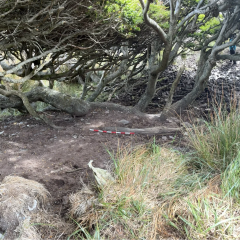
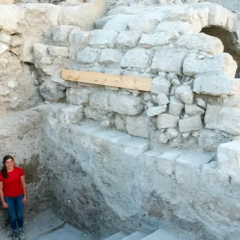
The site was identified during excavations on Gladstone Way conducted by Heneb, the Welsh Archaeological Trust. The digs produced dozens of artifacts, including:
- Roman brooches
- Jewelry molds
- Ceramics
- Coins
This collection represents one of the largest caches of Roman relics discovered in Flintshire. Among the coins recovered, one dates to the reign of Emperor Commodus (177–192 AD), while another hails from the early rule of Emperor Constantine (306 AD).
Significance of the Archaeological Finds
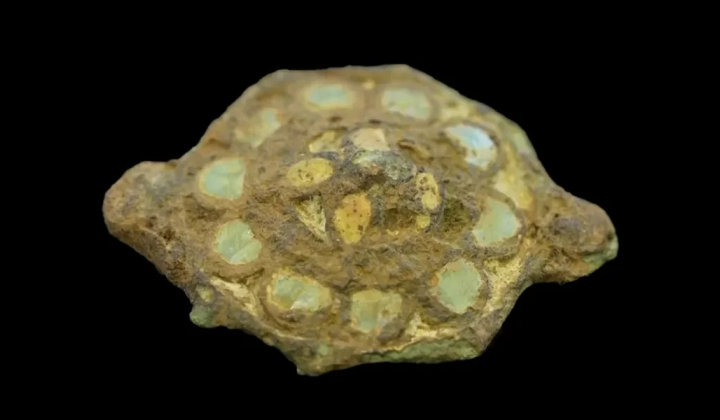
Evidence from the site indicates the presence of a workshop specializing in decorative metalwork, including lead molds used to produce brooches. The Roman brooches found served both functional and ornamental purposes; some were embellished with colorful enamel and shaped like animals. Research also suggests the settlement originated during the Iron Age and remained occupied throughout the Roman period. Situated with a vantage point overlooking Chester (then known as Deva Victrix), it was near a key military hub of Roman Britain.
The settlement extends beyond the excavation boundaries and beneath the modern village of Mancot. These discoveries complement earlier archaeological findings from nearby Greenfield and Rossett in northeast Wales. The recovered brooches and molds have been restored and will be studied further at the National Museum of Wales in Cardiff.
Project lead Dr. Alex Langlands described the find as remarkable and prestigious, noting that its scale surpasses all previous discoveries of this kind in the area.
Earlier, in January 2026, foundations of an ancient Roman villa were uncovered beneath Margam Park in South Wales. Dubbed the "Pompeii of Port Talbot," that site was explored using ground-penetrating radar and 3D scanning without excavation, also under Dr. Langlands’ leadership. These finds highlight the rich and active human history of the region and open exciting opportunities for ongoing research.
The unearthing of this Roman settlement and jewelry workshop in Mancot provides valuable insight into Wales’s Roman past. These artifacts not only confirm sophisticated trade and manufacturing networks but also underscore the strategic importance of the area within Roman Britain. Archaeologists are optimistic that further analysis will deepen understanding of daily life and culture during this era, offering critical perspectives for reconstructing historical contexts.
These remarkable archaeological findings in Mancot echo similar discoveries across Europe, such as the recent uncovering of a complex gold artifact in Germany, which revealed intricate construction techniques. Such finds not only enhance our understanding of ancient craftsmanship but also illustrate the interconnectedness of cultures throughout history. To explore more about these fascinating developments, check out the details of the advanced construction techniques in ancient artifacts.

Read also