Volyn Massacre and Migration Surge Push Poland-Ukraine Relations Toward a New Crisis

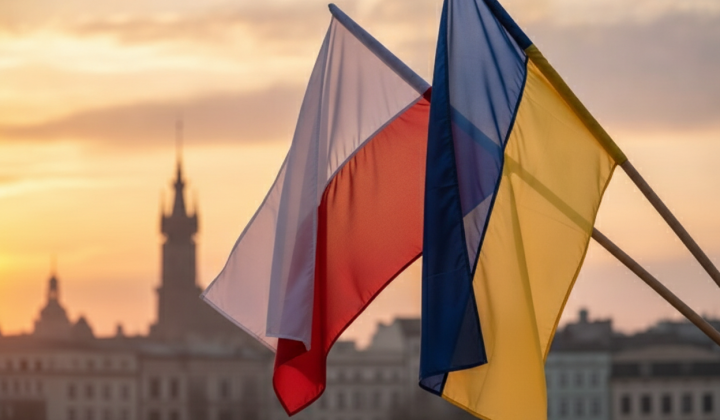
Key Drivers Behind the Deteriorating Ukraine-Poland Ties
According to Главком: An analysis of the mounting tensions between Ukraine and Poland reveals several critical factors shaping the current state of affairs. Among the most prominent are:
- the long-running campaign centered on the Volyn massacre;
- the substantial influx of Ukrainian migrants into Poland;
- political competition on the right wing of Poland's domestic scene;
- concerns among Polish farmers over Ukraine's potential European Union membership.
Conspiracy theories have also emerged as a notable element complicating bilateral relations.
The 'Volyn Massacre' Campaign and Its Lasting Impact
Initiated under President Viktor Yanukovych by Vadym Kolesnychenko, the 'Volyn Massacre' campaign has now persisted for fourteen years. This historical issue has become a central factor in how Ukrainians are perceived in Poland. Many Polish politicians leverage this painful chapter to rally voters, further straining ties. Opinion polls indicate that Jarosław Kaczyński's party cannot secure a majority without backing from allied groups, pointing to political instability within the country.
Adding to the friction is the large wave of Ukrainian migrants arriving in Poland, which has sparked considerable public debate. Weekly high-profile incidents involving Ukrainians have contributed to a negative image of the community. This, in turn, amplifies fears among Polish farmers worried about competition from Ukrainian agricultural producers, especially with Ukraine's EU accession on the horizon. As one Ukrainian minister remarked:
'Poles are less afraid of a Russian nuclear missile than they are of a Ukrainian farmer.'
Poland's upcoming elections in October 2027 could prove decisive for the future trajectory of Ukraine-Poland relations. Political forces vying for victory may exploit the Volyn massacre theme to boost their popularity. In this context, steps to prevent the conflict from escalating are crucial-particularly avoiding any scenario that could lead to stripping the Order of the White Eagle.
To improve bilateral ties, it is essential to institutionalize the history of the Volyn tragedy, perhaps by appointing a 'chief historian' and creating a dedicated information ecosystem. Such measures could help reduce tensions and foster constructive dialogue. Additionally, a separate information strategy should be developed for negotiations on Polish agricultural reform and Ukraine's EU integration, timed to align with the scheduled Polish elections.
Overall, the current state of Ukraine-Poland relations is complex and deeply rooted, requiring careful analysis and deliberate action to lower tensions and enhance cooperation. As one commentator noted:
'In politics, only idiots or incredibly powerful players take offense.'
The deterioration of Ukraine-Poland relations underscores the importance of historical context and socioeconomic factors in shaping perceptions of Ukrainians in Poland. The 2027 elections could significantly influence future neighborhood policies, demanding attention from both countries to avoid further escalation. Establishing a constructive dialogue and institutionalizing historical questions may serve as key steps toward improving relations.
As tensions rise between Ukraine and Poland, understanding the historical context is essential. The ongoing debate surrounding the UPA and its implications on bilateral relations highlights how deeply rooted grievances can influence political dynamics. For a deeper insight into how Poland is navigating these challenges and the potential missed opportunities for alliances, read more in our article on Poland's Missed Alliance Opportunities Amid UPA Hysteria.

Read also