Starting February 1, 2027, Poland Will Require Paid Border Crossing Reservations for Trucks

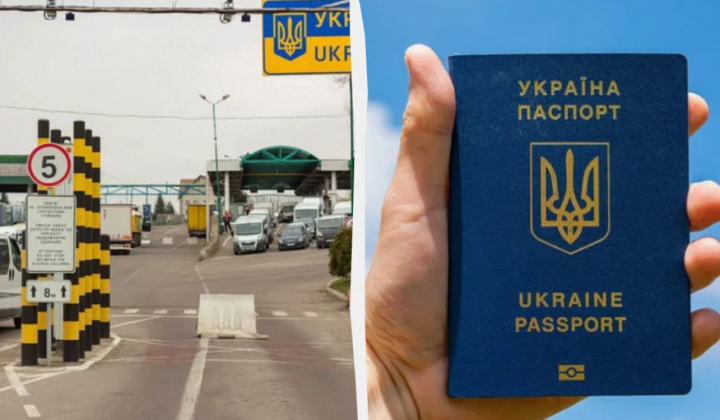
Introduction of Paid Border Crossing Reservations for Trucks in Poland
According to Radiotrek — Світ: From February 1, 2027, Poland will implement a mandatory paid reservation system for trucks crossing its border at the EU's external frontier. The reservation fee will be set at 20 Polish zloty. This system is scheduled to become operational on March 1, 2027. Every truck leaving Poland through designated EU external border checkpoints must secure a reservation, regardless of the vehicle’s weight category.
Reservations can be made via the Electronic Services Platform for Taxes and Customs (PUESC) or through a dedicated mobile application. Payments must be completed electronically. Importantly, reservation fees are non-refundable if the driver does not arrive at the specified time and location.
Types of Reservations Available
Three reservation categories will be offered:
- Standard
- Priority
- Additional
The standard reservation applies to all types of cargo. Priority reservations are reserved for live animals, perishable goods, hazardous materials, humanitarian aid, and blood products. To qualify for priority booking, carriers must provide justification; without valid reasons, such requests may be canceled, and the vehicle could be sent back to the border checkpoint.
The additional reservation option is designed for carriers who do not specify a preferred crossing date. In such cases, the system will place the truck at the end of the queue and assign an approximate arrival time. When making a reservation, carriers can select the checkpoint, date, and time of crossing. These new regulations aim to streamline and improve the efficiency of cargo border crossings through Poland.
The introduction of paid reservations for trucks crossing Poland’s border aims not only to reduce waiting times but also to enhance monitoring of goods entering and exiting the EU’s external borders.
This policy may impact logistics operations and operational costs for transport companies, as reservation fees could be incorporated into overall service charges. The availability of an electronic platform for booking is expected to simplify the process for drivers and logistics firms alike.

Read also