Poland Urges NATO to Intercept Russian Missiles Over Ukraine to Protect Alliance Members

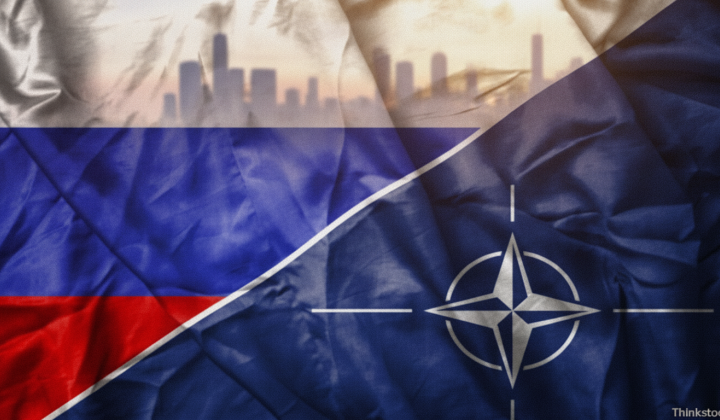
Poland Pushes NATO to Defend Against Russian Missile Threats
According to ХВИЛЯ: In response to recent incidents involving Russian missiles and drones landing on Polish soil, Poland has proposed that NATO consider shooting down Russian missiles while they are still over Ukrainian territory if those missiles are headed toward Alliance countries. This suggestion was brought up during a meeting of NATO ambassadors in Brussels on Monday. While some member states expressed support, no consensus was reached, as any action requires full agreement among all NATO countries and coordination with the Alliance's top military commander.
Following the meeting, NATO announced the deployment of an AWACS radar surveillance aircraft to Poland, signaling an effort to strengthen monitoring along Poland’s eastern border. Poland, along with Romania and the Baltic states, has faced repeated breaches of its airspace by Russian missiles and drones. Polish Prime Minister Donald Tusk accused Moscow on Friday of deliberate provocations, noting that the Russian projectiles violated airspace near military exercise zones.
Debate and Concerns Within NATO
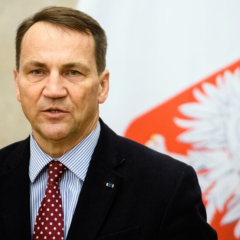
The idea of intercepting Russian missiles over Ukrainian airspace has been under discussion for some time. Poland’s Deputy Prime Minister and Defense Minister, Władysław Kosiniak-Kamysz, emphasized that "no single country can effectively carry out such actions alone." Meanwhile, Poland’s Deputy Prime Minister and Foreign Minister, Radosław Sikorski, stressed the growing threat, stating:
“Any missile or drone approaching our airspace poses an immediate danger to us.” – Radosław Sikorski
Frequent violations of NATO airspace have forced the Alliance to reconsider how far it can go in responding to Russian aggression. Authorizing missile interceptions over Ukraine risks dragging NATO deeper into the conflict, complicating an already volatile situation. Poland’s proposal reflects escalating concerns among member states about regional security and the urgent need for a united response to Russia’s hostile actions.
These discussions highlight the critical importance of international security and collective defense amid increasing Kremlin aggression. Such initiatives may indicate a shift in NATO’s strategic approach as allies seek more effective ways to counter emerging threats. Nevertheless, any escalation carries significant diplomatic risks and demands careful evaluation to avoid unintended consequences in the broader conflict.
Poland's call for NATO to take decisive action comes amid increasing tensions and frequent violations of its airspace. As the situation evolves, the upcoming NATO Council meeting on November 23 will be crucial in addressing these airspace violations and discussing potential strategies for collective defense.

Read also