EU Council Imposes Sanctions on 12 Individuals and 101 Entities Linked to Funding Russia’s Aggression

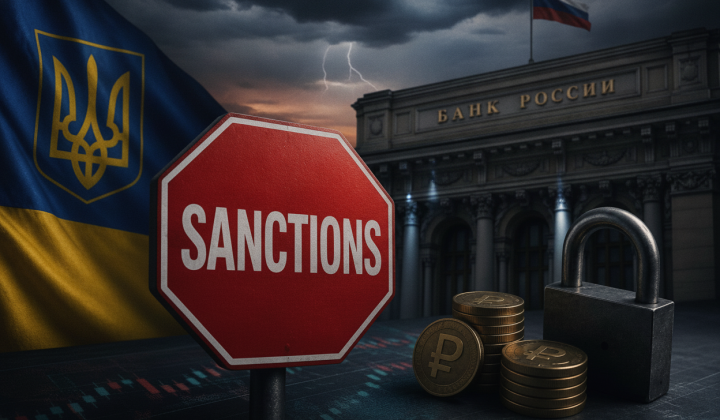
EU Targets Russia with Fresh Sanctions
According to 5 канал: The Council of the European Union has enacted new sanctions against 12 individuals and 101 companies involved in financing Russia’s military aggression against Ukraine. Nearly 50 Russian banks and financial institutions are affected, alongside businesses connected to oil refining, a petroleum terminal in Saint Petersburg, and energy resource extraction. Notably, the sanctions list includes the sole shareholder of the retail giant Wildberries and the controlling stakeholder of the e-commerce platform Ozon.
Moreover, companies based in the United Arab Emirates, China, the Seychelles, and Oman that purchase Russian oil products have also been targeted. The list further encompasses businessmen who own or operate vessels engaged in the illegal transportation of Russian oil. These measures involve asset freezes, bans on financial and economic support, and travel restrictions within EU member states.
Crackdown on Disinformation Networks
The EU Council has also sanctioned 30 individuals and 2 organizations tied to disinformation campaigns and malicious cyber activities. Among these is Moscow’s Social Design Agency (SDA), known for spreading false narratives against EU countries and institutions, particularly ahead of the 2024 European Parliament elections. According to the EU Council’s press service,
“the agency conducted disinformation efforts targeting EU nations, EU institutions, and support for Ukraine, especially in the run-up to the 2024 European Parliament elections.”
Sanctioned individuals include Russian TV hosts Vitaliy Yeliseyev and Petro Marchenko, blogger and military analyst Yuriy Podolyak, and RT International employee Chay Bous. These figures have been involved in information manipulation and promoting narratives that justify Russia’s ongoing aggression in Ukraine. The Council emphasized that
“the decision to sanction those responsible for hybrid attacks against EU member states and Union partners comes amid escalating Russian hybrid operations aimed at destabilizing European societies.”
In parallel, the UK government has imposed sanctions on Russia’s ten largest oil producers. Ukraine’s Foreign Minister highlighted the strong cooperation with British counterparts and expressed gratitude to UK Foreign Secretary Ed Miliband for his support in countering Russian aggression. These coordinated sanctions continue to increase economic pressure on Russia and its military actions in Ukraine.
These latest sanctions form part of a broader international effort to counter Russia’s aggressive policies and back Ukraine amid the ongoing conflict. By targeting both Russian and foreign companies collaborating with Russia, these measures demonstrate global unity in safeguarding security and stability across Europe. Additionally, sanctions against disinformation agencies underscore the critical need to combat information warfare threatening the integrity of democratic processes within the EU.
In light of the ongoing geopolitical tensions, the EU's recent measures align with previous actions aimed at curbing Russian influence. For instance, a recent decision by EU ambassadors resulted in sanctions against 145 entities linked to Russia’s aggression, cyberattacks, and hybrid threats. To explore the details of these additional sanctions and their implications, read more about the broader context of these developments.

Read also