Ukraine to Receive Air Defense and Drones from New $5.5 Billion Ramstein Package

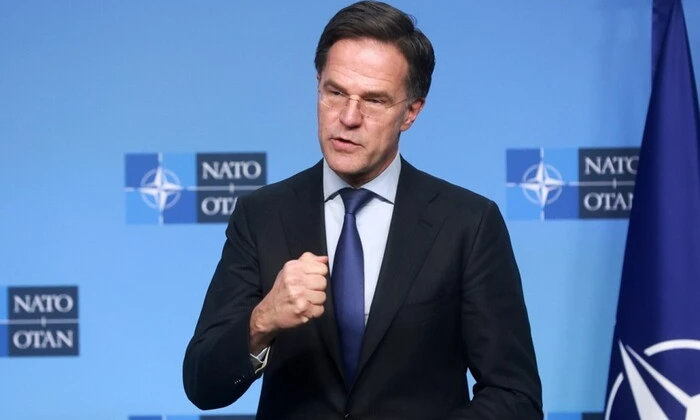
NATO Chief Reaffirms Unwavering Military Aid for Ukraine
According to Главком: Following the latest Ramstein meeting, NATO Secretary General Mark Rutte has affirmed that military assistance to Ukraine remains steadfast. The support package, valued at over $5.5 billion, is specifically earmarked to bolster Ukraine's air defense capabilities and drone fleets. This aid is crucial as Ukraine continues to defend its cities and critical infrastructure from frequent aerial attacks.
The 34th ministerial meeting of the Ukraine Defense Contact Group, known as the Ramstein format, was held in Berlin on April 15. During the session, Ukraine's Minister of Defense, Mykhailo Fedorov, provided an update on losses sustained by the Russian Federation. The breakdown of the $5.5 billion in aid is as follows:
- $4 billion is allocated for air defense systems;
- more than $1.5 billion is designated for drones.
Mark Rutte also urged allies to increase their support for Kyiv to $60 billion by 2026.
"I am confident we can finance the flow of supplies from the United States," stated Mark Rutte.
Ukrainian President Volodymyr Zelenskyy received a report from Defense Minister Mykhailo Fedorov on the outcomes of the Ramstein meeting.
International Backing for Ukraine Continues
This meeting underscores the ongoing international commitment to Ukraine amid the protracted conflict with Russia. The allocation of significant funds for air defense and drones highlights the priority of securing Ukrainian airspace. The call to raise funding to $60 billion by 2026 further emphasizes the importance of sustained, long-term support from the global community, which is vital for Ukraine's strategic planning.
As the situation evolves, the commitment from the Ramstein Group to provide substantial financial aid highlights the international community's resolve to support Ukraine's defense efforts. This funding not only prioritizes air defense and drone capabilities but also reflects a broader strategy to ensure long-term stability and security in the region.

Read also