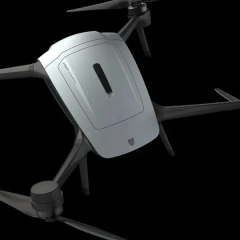
A Year Without Coordinated Defense Against MESH Drones: Ukrainian Forces Face New Threats from Shahed Rocket Attacks


Concerns Over the Lack of a Coordinated Response to MESH Drones
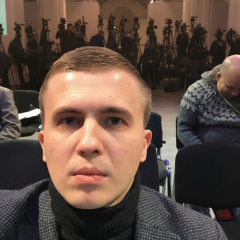
According to 5 канал: Serhiy Beskrestnov, the presidential advisor on defense technology development, has voiced serious concerns about the absence of a structured approach to countering Russian MESH drones. According to him, former Commander-in-Chief of the Ukrainian Armed Forces Oleksandr Syrskyi and the previous electronic warfare leadership failed to adequately address this threat throughout the past year. As a result, Ukraine continues to endure rocket strikes from Shahed drones that employ MESH technology. Currently, a new electronic warfare team is urgently seeking solutions to mitigate these attacks.
Beskrestnov emphasized that throughout the war, he has refrained from public criticism, preferring to focus on proposing solutions. However, he stated:
"During the entire conflict, I have avoided criticizing anyone because my principle is: if you criticize, offer a better alternative. But today, I must 'thank' the former Commander-in-Chief and his electronic warfare chief for the fact that for a whole year, no systematic work was done within the Armed Forces to counter MESH modems." – Serhiy Beskrestnov
This highlights significant organizational shortcomings in Ukraine’s defense efforts, particularly at a time when the adversary is actively deploying cutting-edge technologies.
Gaps in Defense Strategy and Supply Chain Vulnerabilities
Additionally, Serhiy Sternenko, a volunteer and former adviser to ex-Defense Minister Mykhailo Fedorov, accused Vladyslav Vlasiuk, the presidential advisor responsible for sanctions policy, of inaction. Sternenko pointed out that many components used in enemy Shahed drones are sourced from Western manufacturers, yet efforts to halt these supplies have been insufficient. Beskrestnov noted, "As a result, we are currently facing rocket attacks from Shahed drones controlled via MESH technology, and the new electronic warfare team is scrambling to respond urgently."
Ukraine currently lacks a systematic approach to blocking the flow of key components to Russia from Western countries, raising additional concerns. Beskrestnov revealed that Russia has mastered controlling strike drones at ranges up to 175 kilometers, placing Ukrainian cities and civilians at grave risk. This situation demands immediate action by Ukraine’s defense agencies to prevent further attacks and strengthen protection measures.
Addressing these emerging threats requires a comprehensive strategy and close coordination across all defense sectors. It is crucial for Ukrainian military personnel and technology experts to collaborate in developing effective countermeasures to safeguard the country against evolving challenges on the battlefield.
The current circumstances underscore the urgent need to adapt Ukraine’s military strategy to the realities of modern warfare technologies. With the enemy increasingly relying on advanced systems, Ukraine must rapidly enhance its air defense capabilities and electronic warfare infrastructure. Achieving this will call for not only better coordination among domestic defense bodies but also active engagement with international partners to exchange expertise and technological innovations.
As Ukraine grapples with the ongoing challenges posed by MESH drones and Shahed rocket attacks, it's crucial to examine how technological advancements in drone warfare are evolving. Insights from experts like Eric Schmidt shed light on the emerging threats and innovations that could reshape the battlefield. To understand the broader implications of these developments, read more about the transformations in Ukraine's drone warfare landscape.

Read also