Robots Gain Vision: Ouster and AI Enable Navigation Without GPS

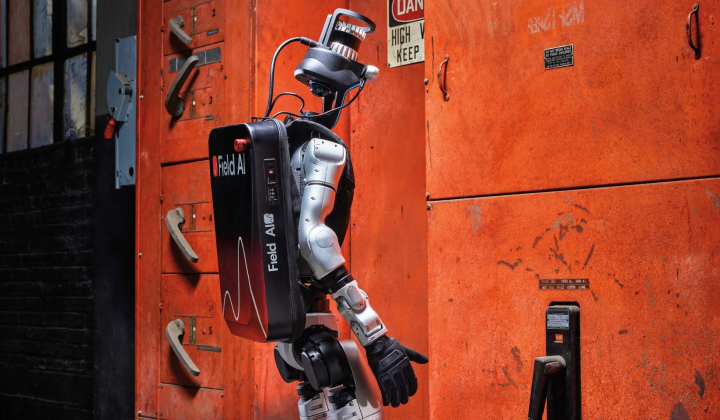
Ouster and FieldAI Join Forces
According to НВ — Техно: On June 9 at 11:30 AM, U.S.-based Ouster announced a partnership to combine its lidar technology with FieldAI's artificial intelligence platform. The goal is to enhance how robots navigate complex and unpredictable environments. At the core of this collaboration is the integration of Ouster’s Rev8 color digital lidar with FieldAI’s Field Foundation Models platform. This system is designed to support autonomous operation across various robot types in diverse settings.
The Rev8 lidar uses laser pulses to generate a detailed 3D map of the surroundings, enriched with built-in color imagery. This proves especially valuable in GPS-denied areas such as indoor spaces, underground facilities, and unfamiliar terrain. The system is also built to withstand dust, vibrations, harsh weather, and heavy machinery.
Where This Technology Applies
With this technology, robots can independently assess and adapt to unknown environments, making them far more versatile. Key application areas include:
- construction sites
- mines
- industrial plants
- energy infrastructure
- remote facilities
FieldAI already relies on Ouster’s lidar systems for robot navigation, and plans are underway to extend this to large industrial clients.
“Scaling autonomous systems in challenging real-world conditions starts with advanced sensing technology,” said Andrew Mullen.
The Ouster-FieldAI integration has the potential to reshape automation across industries, enabling robots to operate more effectively where traditional navigation falls short. This could boost safety and productivity in fields like construction, manufacturing, and energy, where robots often face unpredictable and hazardous conditions. Over time, further development may unlock new possibilities for deploying autonomous systems in even more demanding environments.
As technology advances, the integration of LiDAR capabilities into everyday devices is becoming increasingly relevant. This development not only enhances robot navigation but also opens new avenues for applications in fields like architecture and security, where understanding surroundings through obstacles can prove invaluable.

Read also