Russian Strikes on Zaporizhzhia and Kharkiv Overnight Result in Civilian Casualties


Strikes Target Zaporizhzhia Region and Kharkiv
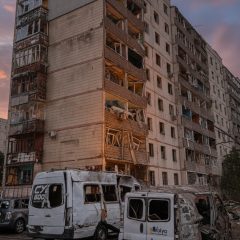
According to Главком: Russian forces launched attacks on the Zaporizhzhia region and the city of Kharkiv overnight on March 20, resulting in civilian deaths and injuries. In the Zaporizhzhia district, a 30-year-old woman was killed, and two strikes were recorded that destroyed private homes. Among the wounded are a 48-year-old man and a 10-year-old boy. These regions have been frequent targets since the full-scale invasion began in February 2022.
Furthermore, on the evening of March 19, a 44-year-old woman was killed in the Polohy district of Zaporizhzhia region. In Kharkiv overnight on March 20, an attack drone was used. The strike hit the Shevchenkivskyi district, near an educational institution. These incidents highlight an intensification of hostilities in areas that have repeatedly suffered from enemy attacks.
Mounting Concern in the Regions
The escalation of fighting in Zaporizhzhia region and Kharkiv is causing serious alarm among the local population and the international community. These attacks once again underscore the vulnerability of civilians and the critical importance of protecting non-combatants during conflict. The ongoing strikes are part of a wider pattern of attacks on Ukrainian urban centers far from the front lines.
The events of recent days could influence the further development of the situation in the region and require focused attention from humanitarian organizations and human rights defenders.
The recent surge in attacks on civilian areas, particularly in Kharkiv, raises significant concerns about safety and security. Following the latest strikes, it's crucial to understand the broader implications of these incidents. For instance, a drone strike in Kharkiv resulted in injuries and property damage, highlighting the ongoing risks faced by residents in these conflict-affected regions. Analyzing such events can shed light on the evolving situation and the urgent need for humanitarian responses.

Read also