A 4.7x Increase in Employee Engagement Connected to Hybrid Work Arrangements

Hybrid Work: Benefits and Challenges
According to Achievers: As hybrid work models become more common, leaders are focusing on what drives employee engagement. According to the Achievers Workforce Institute, only 26% of workers worldwide are engaged. Yet in organizations with strong connectivity, engagement levels are 4.7 times higher, along with double the productivity and a fourfold likelihood of embracing change. Feeling appreciated also plays a critical role: employees who experience gratitude are 12 times more likely to see their work as meaningful and 17 times more likely to envision a long-term career with their employer. This underscores the need to create an environment where people feel valued and supported.
Hybrid Work Models and Principles for Success
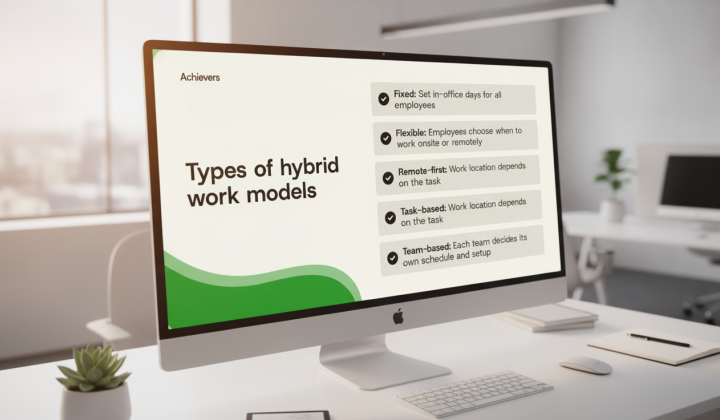
Several hybrid work models exist, each with distinct characteristics and operational requirements:
- fixed schedules
- flexible arrangements
- remote-focused setups
- task- and team-based structures
As hybrid work evolves, new challenges emerge-ensuring adequate technology, preserving corporate culture, preventing communication breakdowns, and avoiding burnout. To build a thriving hybrid culture, experts recommend six key principles:
- make recognition a collective effort
- give employees a genuine voice in decision-making
- design flexible policies that meet people’s needs
- support continuous learning
- weave connection into daily routines
- help leaders manage effectively in hybrid settings
Applying these principles can significantly boost engagement and productivity in hybrid environments. Hybrid work, given its growing popularity, is now a central element of modern organizational strategies. Adopting effective models and principles can profoundly impact employee satisfaction and performance. As companies face new challenges, they must strike a balance between remote and on-site work to maintain a positive culture and high engagement levels.
As organizations increasingly adopt hybrid work models, they are also rethinking how they manage employee careers. This shift is evident in how Ukrainian companies are moving away from traditional career management approaches, emphasizing flexibility and responsiveness to employee needs. Such changes highlight the importance of adapting management strategies in tandem with evolving work arrangements to enhance engagement and satisfaction.

Read also