The Mass Strike on Ukraine That Never Came: Oleg Zhdanov's Take on Why

Late July 2026: A Predicted Attack Fails to Materialize
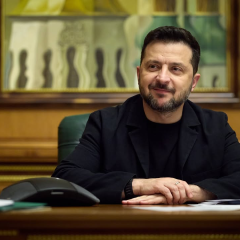
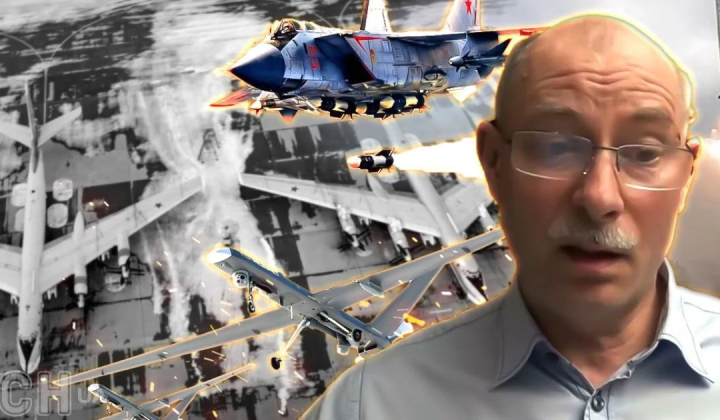
According to Radiotrek — Світ: By the end of July 2026, Moscow had still not launched the large-scale missile and drone assault on Ukraine that many expected, despite repeated warnings. For outside observers, the gap between those alerts and the quiet on the ground highlights how difficult it is to read the Kremlin's escalation signals. Military analyst Oleg Zhdanov attributes the delay to a mix of factors: possible missile stockpiling, difficulties with strategic aviation after strikes on the Engels airfield, and the Kremlin waiting to see how talks between Volodymyr Zelensky and Donald Trump play out. In his assessment, Russia can manage roughly three massive attacks per month, but its missile production pace does not keep up with what gets fired, so Moscow is forced to draw on reserves it has already built up.
Zhdanov points to several possible explanations for why the attack has been put off:
- missiles are being accumulated;
- there are supply problems with attack drones;
- strategic aviation is experiencing difficulties.
The Kremlin is unlikely to abandon combined strikes, Zhdanov argues, because those are what overload Ukraine's air defense system. Isolated ballistic missile launches are easier to handle and limited by available stockpiles, so they do not have the same impact. Earlier warnings about an imminent assault were probably based on intelligence showing missile movements and launch equipment being readied.
Where Russian Missile Systems Are Concentrated
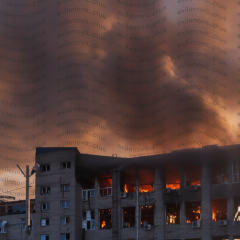
Reports indicate that Russian missile complexes have been concentrated in Rostov Oblast, Crimea, Bryansk Oblast, and Kursk Oblast. If a new mass attack does occur, Zhdanov says Kyiv would likely be the main target. The Kremlin wants to increase psychological pressure on Ukrainian society by striking the capital and civilian infrastructure. So even though no massive bombardment had been recorded by the end of July, the situation remains tense and the threat of shelling is still high.
This episode underscores how unpredictable and convoluted Russia's military behavior can be, and how vital intelligence analysis is for anticipating possible attacks. With persistent supply and production problems, plus strategic choices still to be made by the Kremlin, the next phase could have major consequences for regional security and for how Ukraine shapes its defense.
Understanding the factors behind Russia's delayed military actions is crucial, especially as analysts speculate on potential future escalations. For a deeper dive into the possible scenarios that could shape the Kremlin's next moves in the ongoing conflict, explore this analysis on four potential escalation scenarios that may impact the region's stability.

Read also