Four Scenarios for Kremlin Escalation in Ukraine War, According to the Financial Times

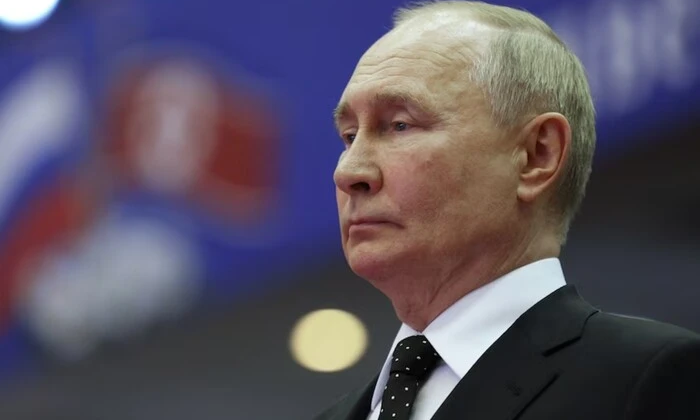
Risks Facing the Kremlin in the Event of Escalation
According to Главком: With Western nations bracing for a tense summer, the Financial Times has outlined four potential paths the Kremlin could take to intensify the conflict. These scenarios include:
- stepping up offensive operations
- deploying tactical nuclear weapons
- engaging in direct confrontation with NATO
- waging a hybrid war
Hybrid warfare is considered the most likely option. The report stresses that none of these paths guarantee success for the Kremlin, and that if current pressure is maintained, Moscow may be forced to seek an end to the war by the end of the year.
Military Operations and Economic Strain
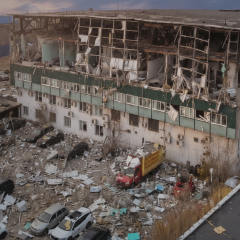
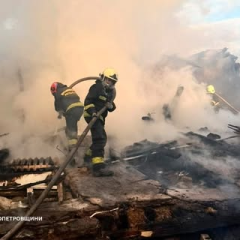
Ukraine’s recent strikes on Russian fuel infrastructure have significantly increased pressure on the Kremlin. Russia is now facing its worst fuel crisis in decades, undermining regime stability. According to the Finnish analytical group Black Bird Group, June 2023 marked the first time Russia recorded net territorial losses. Western officials estimate that Russian forces are suffering approximately 35,000 casualties-killed or wounded-each month.
The Kremlin has four primary escalation options at its disposal. First, intensifying frontline offensives, which could lead to even greater losses. Second, using tactical nuclear weapons-though China has already signaled to Moscow that nuclear escalation is unacceptable. Third, a direct Russian attack on NATO remains unlikely due to the risk of a massive Allied military response. Fourth, and most realistically, hybrid warfare-encompassing cyberattacks, sabotage, damage to undersea cables, and strikes on energy infrastructure-is the most plausible direction for escalation.
Sweden’s military intelligence chief, Thomas Nilsson, stated:
“A change of power in Russia after Vladimir Putin’s rule ends is unlikely to lead to a drastic shift in the country’s foreign policy.”
While the Russian economy faces serious difficulties, there are no signs of an imminent regime collapse. This suggests the Kremlin may be able to continue waging war despite all challenges, but the growing burden of setbacks and obligations could force it to look for ways to end the conflict by the end of the year.
The situation in Russia and its military actions in Ukraine remain a focal point of international attention. Amid increasing pressure from Western nations and domestic economic challenges, the Kremlin must carefully weigh its next moves. Hybrid warfare may represent a less risky option for Russia, but it remains dangerous and could affect regional stability and security across Europe.
As the situation intensifies, Putin is faced with critical decisions following a month of aggressive strikes against Russian targets. The implications of these choices could further influence the Kremlin's military strategy and its potential escalation in the ongoing conflict, highlighting the delicate balance of power in the region.

Read also