Ukraine Strikes 13 Russian Ships, Prompting Moscow to Halt Azov Sea Traffic

Azov Sea Shipping Crisis Unfolds
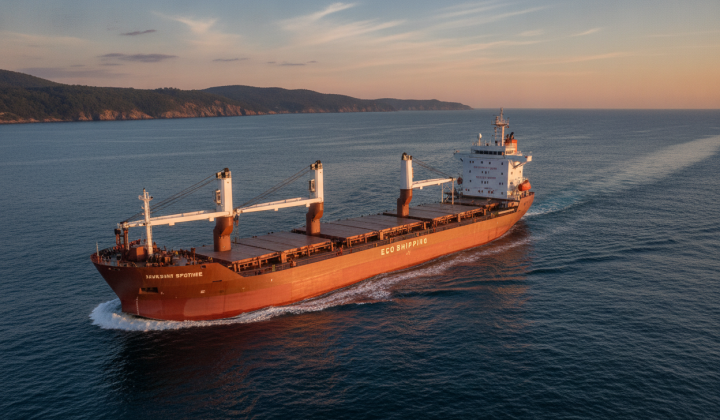
According to Главком: Russia has temporarily suspended all maritime traffic through the Don–Azov Canal after Ukraine targeted 13 Russian vessels in the Azov Sea. The restriction, which blocks passage through the Kerch Strait connecting the Azov and Black Seas, took effect at 6:10 PM local time on Friday. Among the ships hit were 10 tankers, sparking immediate concern in global commodity markets.
Wheat Market Feels the Shockwaves
Market analysts point out that up to a quarter of Russia's wheat exports-the country is the world's largest exporter of the grain-transit the Azov Sea. Key grain-producing regions, including Rostov and Krasnodar, lie along its shores. Additionally, Russia's second-largest Black Sea port is located within the Kerch Strait itself.
In response, Euronext wheat futures surged 4% on Friday, hitting a six-week high. The navigation ban was announced by Russian border guards under the Federal Security Service (FSB). Commander Robert Brovdi of the Unmanned Systems Forces reported that the strikes occurred on the night of July 10 near the approaches to temporarily occupied Crimea, targeting vessels belonging to what he called Russia's "shadow fleet."
“This situation underscores rising regional tensions and the potential impact on global food markets, as Russia remains a key grain supplier.” - Source unknown
The shipping halt could drive grain prices even higher, affecting not only importers but also consumers worldwide. Close monitoring of the Azov Sea situation will be essential to assess how events unfold.
The disruption in the Azov Sea mirrors the recent surge in shipping traffic through the Strait of Hormuz following a ceasefire, highlighting how geopolitical events can rapidly alter maritime logistics. As the situation evolves, it is crucial to observe the broader implications for global trade and commodity markets.

Read also