Fuel Shortage Forces Russia to Slash Oil Exports

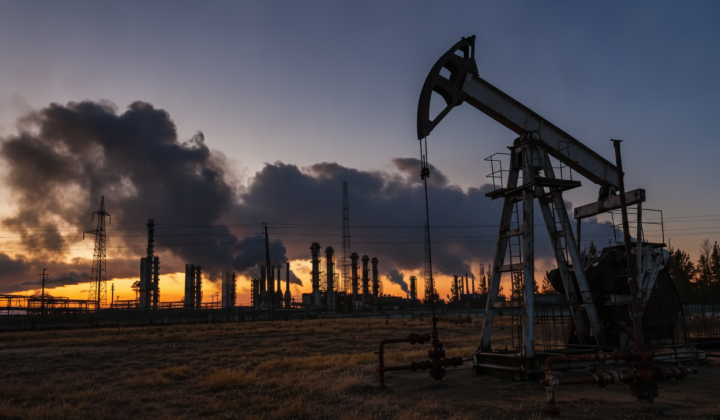
Russia Cuts Crude Oil Shipments
According to Главком: Facing a domestic fuel crisis, Moscow plans to reduce crude oil exports by diverting supply to local refineries. Kyiv’s drone strikes on energy infrastructure have triggered the shortage. This export cut comes as Russia exceeds OPEC+ production quotas. Shipments from key western ports-Primorsk, Ust-Luga, and Novorossiysk-could drop to 1.7 million barrels per day in June, down from 2.5 million in May. The difference of 250,000–400,000 barrels per day is earmarked for boosting domestic processing.
In April, oil output fell by 300,000–400,000 barrels per day compared to the early-2024 average-the steepest six-year decline. In May, Russian authorities paid refineries roughly $2.8 billion in compensation, one of the highest sums in two years. Oil and gas revenues once accounted for 40–50% of the federal budget, but by 2026 that share had dropped to around 20%. Ukrainian President Volodymyr Zelenskyy has stated that attacks by his country destroyed about 10% of Russia’s total refining capacity.
Economic Fallout and Domestic Strains
In Crimea, gasoline sales are now limited to coupons and cashless payments. Russia belongs to the OPEC+ alliance but repeatedly exceeded its assigned quotas during 2024–2025. Deputy Prime Minister Alexander Novak attributed the production cuts to unscheduled plant maintenance. In 2026, Moscow officially acknowledged falling oil output for the first time, signaling deep trouble in its energy sector.
Lower exports and shrinking production threaten an economy heavily reliant on oil and gas income. Breaching OPEC+ quotas alongside declining output highlights the serious challenges Russia faces from international sanctions and internal disruptions.
The cut in crude exports underscores the severe economic strain caused by both external pressures and domestic issues. Fuel shortages and falling hydrocarbon revenues could create additional hurdles for an economy already undergoing major shifts. These developments emphasize how critical the energy sector remains to Russia’s fiscal stability and its ability to meet international commitments. Under relentless sanctions, the energy market will continue to be a decisive factor in regional developments.
As Russia grapples with the repercussions of reduced oil exports, the situation is further complicated by potential fuel export restrictions in response to ongoing disruptions caused by Ukrainian assaults. This could mark a critical turning point in the energy landscape, amplifying the challenges already faced by Moscow's economy.

Read also