Russia's Path to an Isolated Internet: Why the Kremlin Lacks a Coherent Strategy

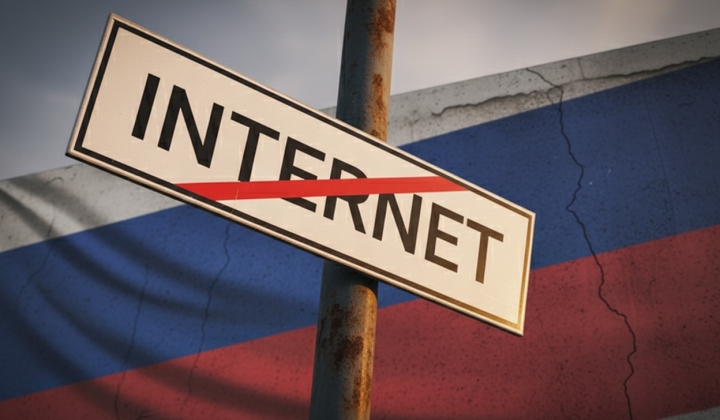
Internet Restrictions in Russia Following the 2024 Elections
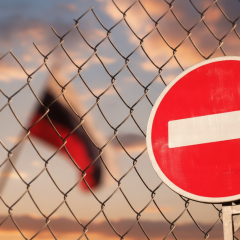
According to Главком: Following the 2024 presidential election, Russia is accelerating its efforts to isolate its internet from the global web. This process, already dubbed the 'CheburNet,' has raised significant concerns among experts and human rights advocates. Despite the government's clear intentions, the Kremlin currently lacks a definitive blueprint for how a closed internet should function, raising serious doubts about the feasibility and implementation of such restrictive measures.
Vladislav Surkov, a key figure in this domain, has expressed ambitions to dominate Russia's economic digitization. His influential role in shaping internet and digital technology policy is pivotal, as he can steer decisions concerning the development and control of the nation's information space. However, the absence of a concrete plan for implementing internet isolation could severely complicate this objective.
Potential Consequences of Restricting Information Access
The most intense phase of this internet restriction process is anticipated to last between 6 and 12 months. This timeline suggests Russian citizens could face substantial disruptions to their access to information and communication technologies. As state control over information tightens, the unpredictable execution of these measures may pose new challenges for both society and the country's economy.
The post-2024 election push for internet restrictions signals a significant escalation of the Kremlin's control over the information sphere. This development could have profound implications for freedom of speech, access to information, and the digital rights of citizens. Observing this process is crucial not only for understanding Russia's domestic policy trajectory but also for assessing its potential impact on international relations and regional security dynamics.
As the Kremlin intensifies its efforts to control the online environment, the repercussions of these actions are already being felt by Russian citizens. This shift has led to a significant increase in demand for online privacy tools, evidenced by a record surge in VPN searches following similar crackdowns. Understanding these trends is essential to grasp the broader implications of internet isolation in Russia.

Read also