The Kremlin's Weaponized Diplomacy: How Reflexive Control Shapes Russia's Strategy

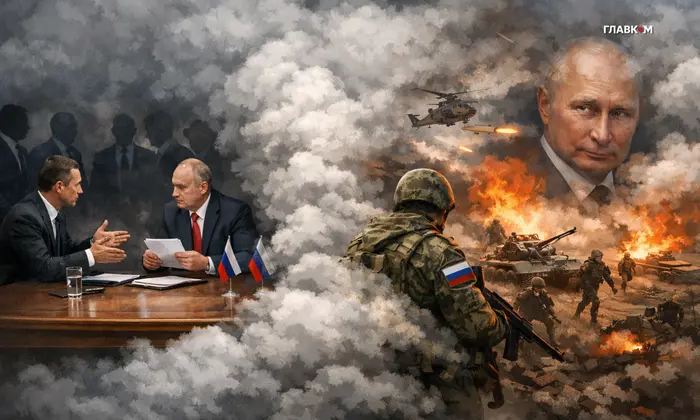
How the Kremlin Wields Diplomacy as a Weapon of War
According to Главком: Russia's use of diplomacy as a tool in its hybrid war against Ukraine reveals a sophisticated strategy rooted in the concept of reflexive control. Originating in Soviet military psychology, particularly the work of Vladimir Lefebvre, this concept involves modeling an opponent's worldview and deploying a range of influence mechanisms to manipulate it. This approach is a hallmark of modern Russian geopolitical maneuvering, blending psychological operations with traditional statecraft.
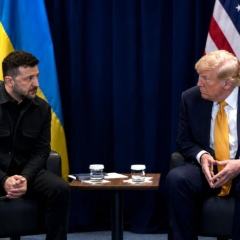
From late 2025 into early 2026, U.S. President Donald Trump has repeatedly asserted the possibility of negotiating with Russian President Vladimir Putin. Within the context of these potential talks, Russia has demanded the complete transfer of the Donetsk, Luhansk, Kherson, and Zaporizhzhia regions within their administrative borders. These territories have been central to the international conflict, a point tragically underscored in July 2014 when Malaysia Airlines Flight MH17 was shot down over Donetsk Oblast, killing all 298 people on board.
Core Elements of the Kremlin's Doctrine
The core elements of the Kremlin's doctrine treat negotiations themselves as an instrument of hybrid warfare. Key methods of influence employed in this strategy include:
- Creating false dilemmas;
- Deterrence through fear;
- Information overload.
These tactics allow the Kremlin to shape specific perceptions of security, which in turn intensifies the security dilemma and reinforces a realist paradigm. Signals of weakness, escalation for the sake of de-escalation, and an asymmetrical perception of peace are crucial components of this playbook.
The summer 2025 summit in Alaska may serve as a significant milestone in the development of these diplomatic processes. The weaponization of diplomacy demonstrates how Russia seeks to advance its interests on the world stage by employing diverse tools to achieve its objectives. For Western policymakers, understanding this is key to crafting an effective counter-strategy.
This strategy of activating diplomacy as a hybrid warfare tool underscores the critical importance of sustained international support for Ukraine and the necessity of closely monitoring Russia's global actions. Grasping the mechanisms of reflexive control can help nations involved in the conflict better adapt their positions and strategies within a complex geopolitical landscape. An effective response to Russian actions demands coherent and coordinated efforts at the international level.

Read also